
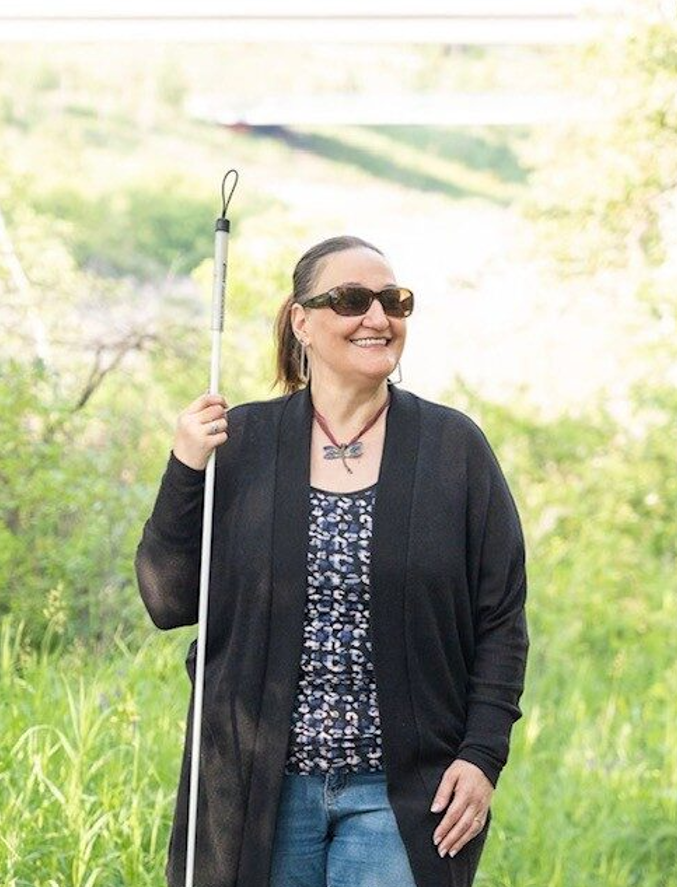
After becoming blind, Vanessa had to discover what motherhood would look like in a life that had completely changed. Through challenges, laughter, and meaningful moments with her children, she learned that being Mom isn’t about seeing—it’s about showing up.
After six months in the hospital, Vanessa was determined to return home to her children. She shares the challenges of adjusting to blindness, rebuilding independence, and learning how to be Mom in a new way.
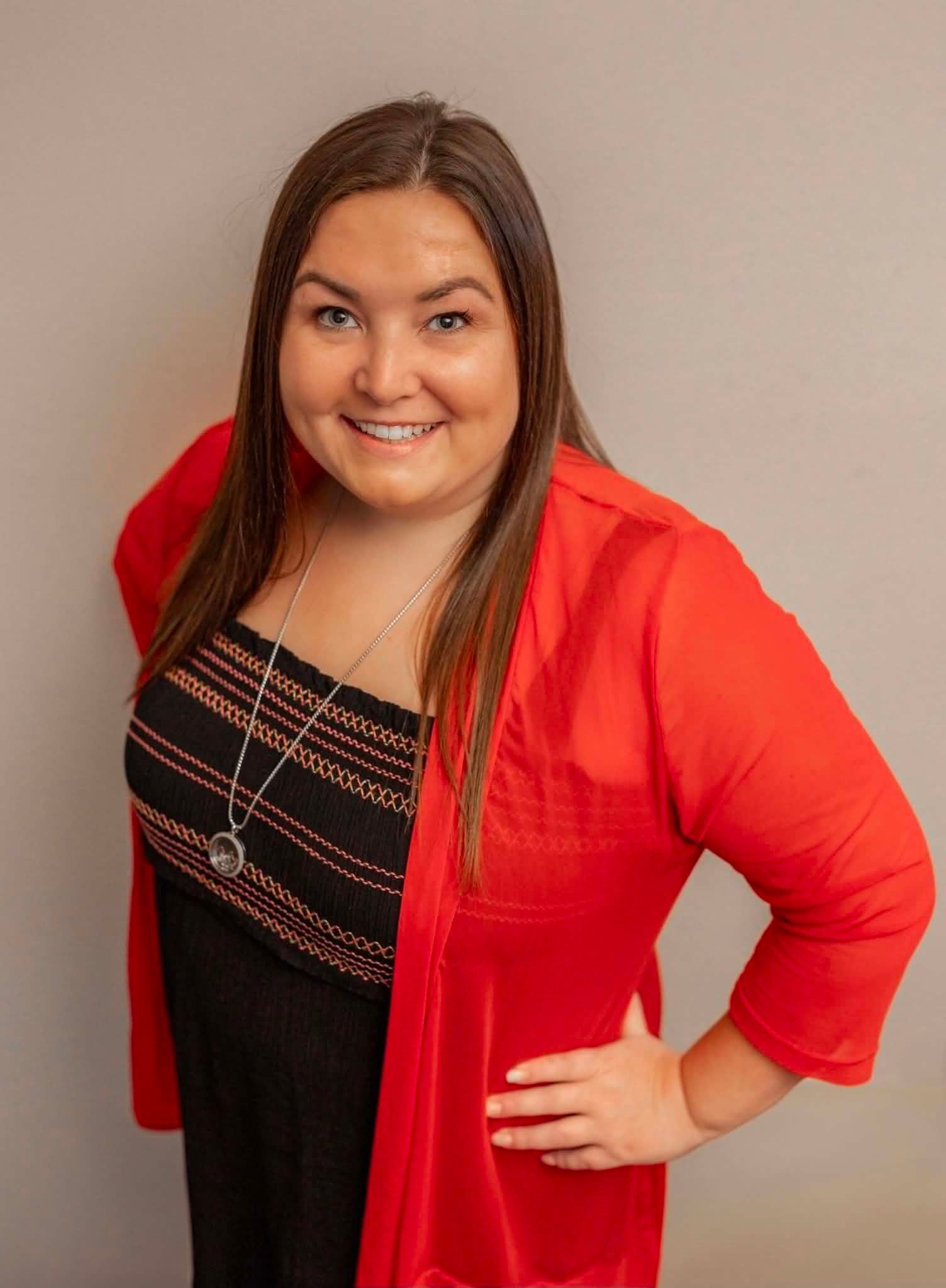
Vanessa shares how suddenly becoming blind changed not only her life, but her entire family. Through grief, love, adaptation, and small victories, they learned to navigate disability and find a new path forward together.
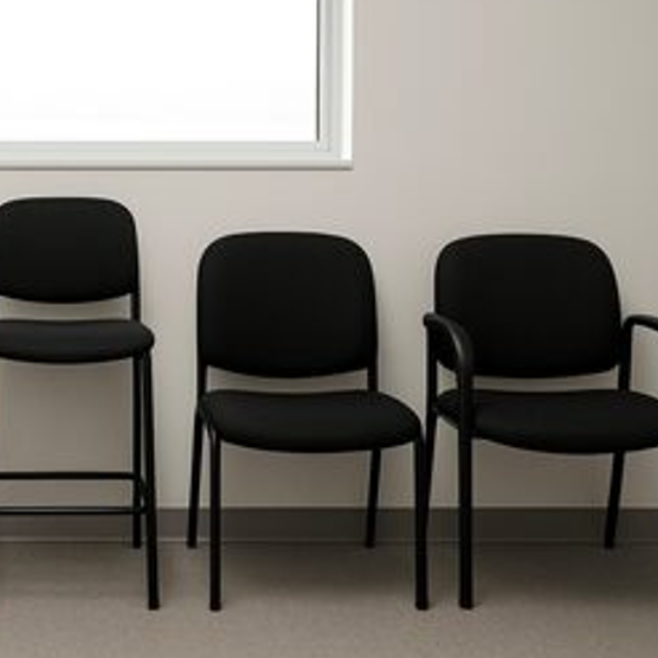
Chairs are more than just somewhere to sit.
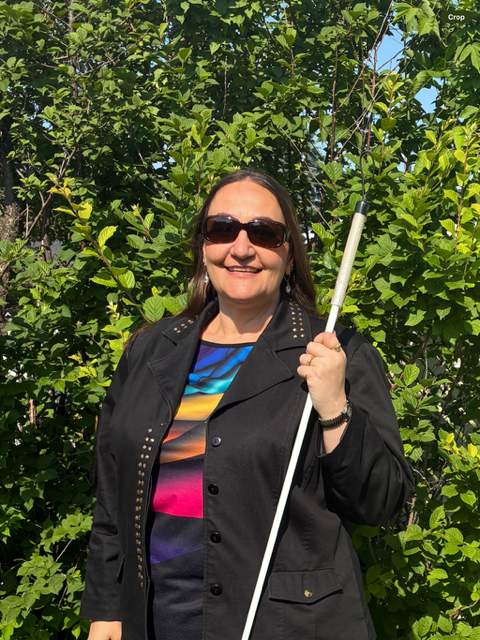
What I wish I had known when I was first diagnosed.
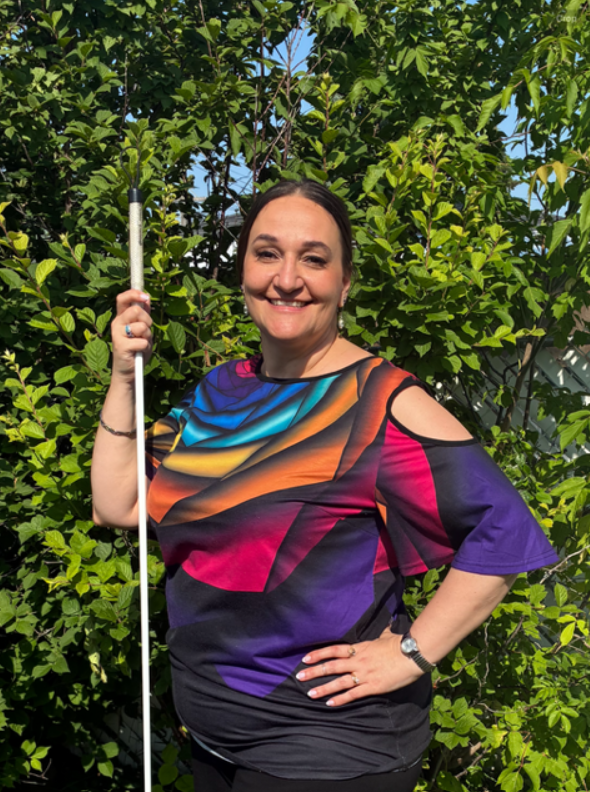
Something really beautiful happened recently, and I’ve been sitting with it .
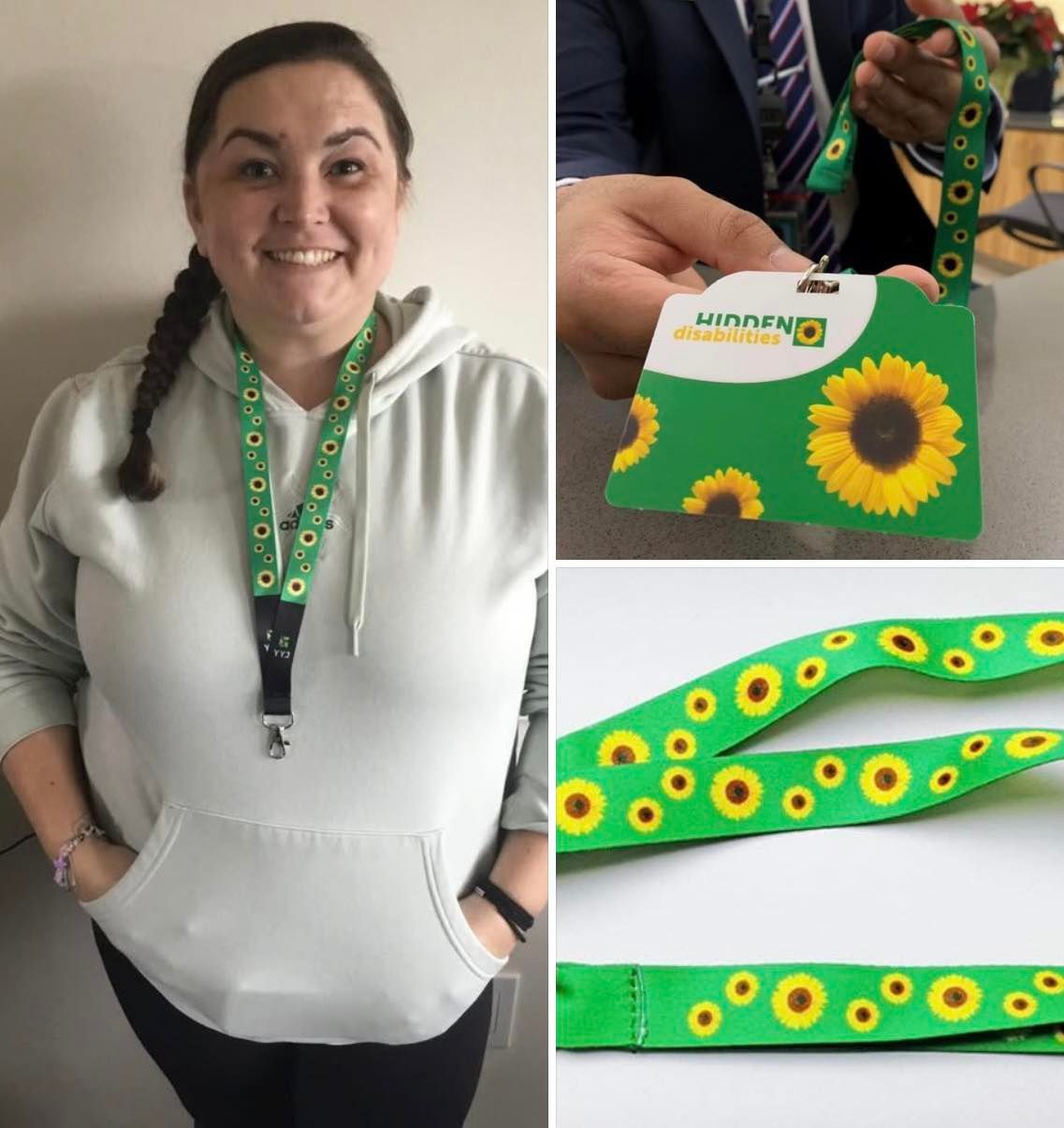
Hidden Disabilities Sunflower: For People Living With Hidden Disabilities

Feel Confident Navigating & Travelling Around The City
Discovering How ADHD Shaped My Experiences
What if creating an inclusive workplace was easier than you thought?