April 21, 2026

Sensory Processing Disorder

Living life differently, with Diverse Abilities.

Author

Diverse Abilities Programs Inc.

Share

What is Sensory Processing Disorder (SPD)?

Sensory Processing Disorder (SPD) is a neurological condition that affects how someone’s brain processes sensory information (sensory integration), causing extreme sensitivity to stimuli. From 5% to 16.5% of the population lives with SPD, according to ncbi.nlm.nih.gov. Occupational therapist, psychologist, and neuroscientist A. Jean Ayres, Ph.D., likened SPD to a neurological “traffic jam” that prevents certain parts of the brain from receiving the information needed to interpret sensory information correctly. For some with SPD, outside stimuli are dulled, muting sights, sounds, and touch. These individuals crave extra stimulation to arouse themselves, like needing the jolt of a wake-up shower after a sleepless night. These are the people who love to spin and swing upside down; their stimulation-seeking behaviour may be easily mistaken for ADHD hyperactivity and poor impulse control.


SPD can affect all or any number of our senses:


  1. Visual – Sight
  2. Auditory - Hearing
  3. Olfactory - Smell
  4. Gustatory - Taste
  5. Tactile – Sensation from touch
  6. Vestibular - Sense of head movement in space
  7. Proprioceptive - Sensations from muscles and joints of the body
  8. Interoceptive – Perception of sensations from within the body


Everyone is affected by sensory input. Have you ever felt a twinge of pain during a loud movie or become a little overwhelmed while shopping in a bright, busy store? The average human can have some degree of sensory sensitivity even if they don’t realize it.

Sensory processing disabilities occur when there is a breakdown in how the brain translates the sensory information provided from the central nervous system. The brain may fail to recognize, connect, misinterpret, or respond appropriately to the input. Sensory processing issues can be displayed differently from person to person. A person may have different responses, depending on the sensation.


Helpful Tips


When booking an appointment, you can ask if they need any accommodation. This will let you know if someone requires any accessibility while meeting with you.

Try to avoid flashing or blinking lights. They can be a trigger for people with Epilepsy, Autism, brain injury, SPD, and others.


Ask what you can do to be a support.


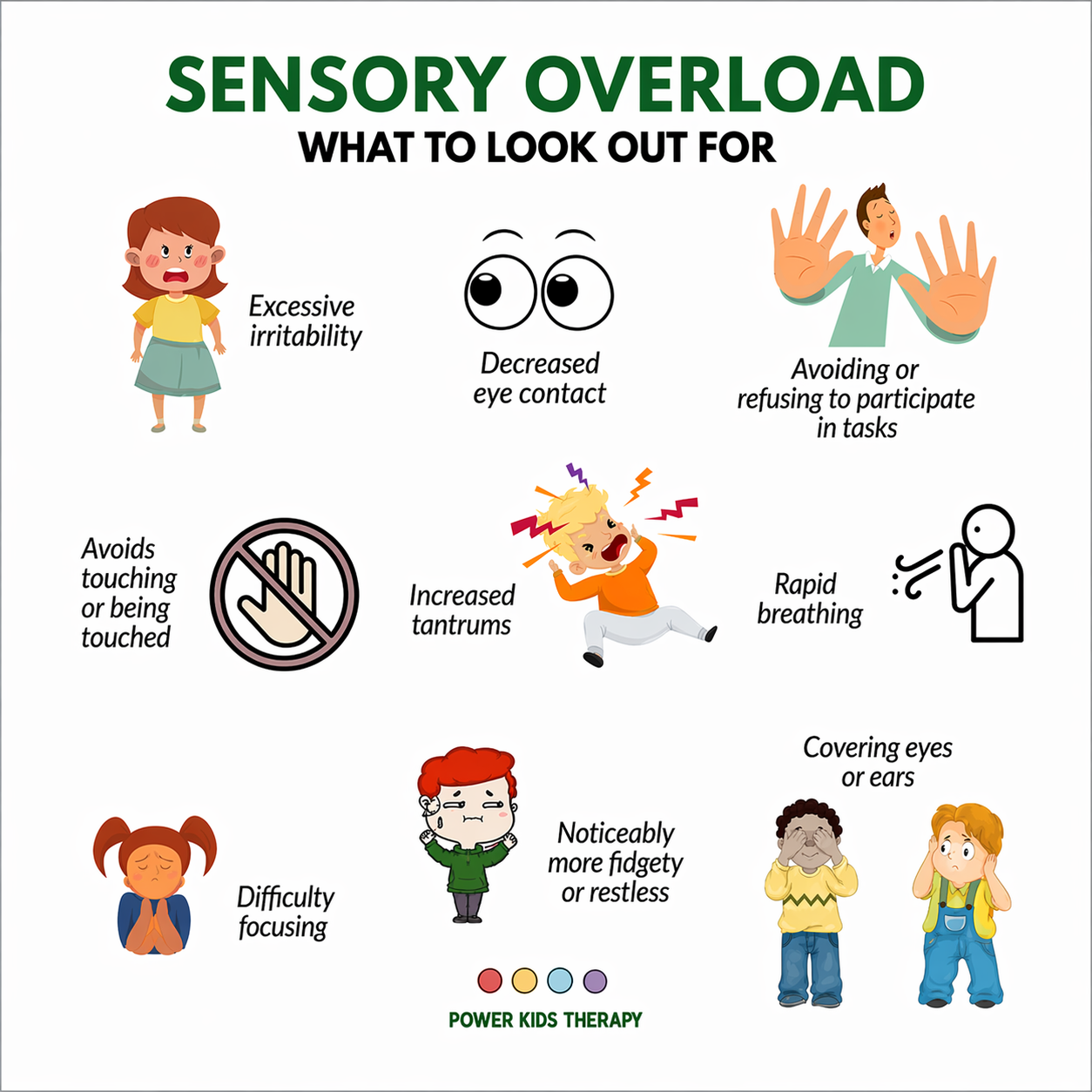
Don’t judge someone without knowing their story. Maybe the little girl having a temper tantrum or is not getting her way is, in fact, overstimulated by the sounds of the sirens on the next street that she cannot process, and the noise is so loud that it physically hurts her.


We never know someone’s story. If you are curious about a person, please ask the individual so you can gain accurate info on that person. Please be kind!

April 21, 2026
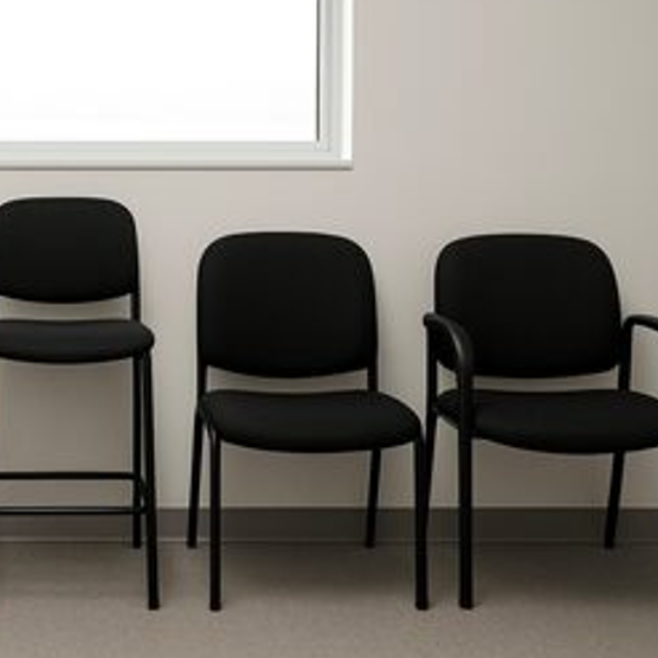
Chairs are more than just somewhere to sit.
April 21, 2026
What I wish I had known when I was first diagnosed.
April 21, 2026
All we want is to be seen as a person, not just our disability. 
April 21, 2026
Something really beautiful happened recently, and I’ve been sitting with it .
April 21, 2026
Hidden Disabilities Sunflower: For People Living With Hidden Disabilities
April 21, 2026
Feel Confident Navigating & Travelling Around The City
April 21, 2026
Discovering How ADHD Shaped My Experiences
April 21, 2026
What if creating an inclusive workplace was easier than you thought?
April 21, 2026
In life, three barriers often prevent people with disabilities from fully participating in various activities: Social stigmas, attitudes, and misconceptions about our abilities. The built environment and the lack of accessibility.  Ourselves, which includes fear of the unknown, fear of failure, and lack of confidence. While we may not always be able to change the first two, the third barrier—our mindset—is one that only we can break through. In 1992, I was diagnosed as legally blind due to Progressive Cone Dystrophy. But it wasn’t until 2015 that I fully embraced my blindness. Rather than saying, "I’m losing my sight," I reframed it as, "I’m gaining my blindness." This shift in mindset allowed me to step out of my comfort zone and explore non-visual techniques to complete tasks I once relied on sight for. Patience, time, and yes, frustration, were all part of the process. But now, I’m living my best life—doing even more than I did with vision. When friends asked me to go axe 🪓 and dagger 🗡️ throwing, I immediately said yes. I love new experiences, and I wasn’t going to let my blindness be a barrier. We spent an hour learning how to hold, aim, and throw. I chose to wear a blindfold because the small amount of vision I have left can be more distracting than helpful. My focus wasn’t on whether I got a bullseye but on having fun, being included, and trying something new. After all, we never know if we’ll like something until we try. For this experience, the target was about 15 feet away, with chain fences on either side. I could stretch my arms out and feel both fences, giving me a sense of space. There was also a tactile line under my feet, ensuring I knew where to stand. To throw the axe, I gripped the bottom of the handle with my dominant hand (right) and placed my left hand over my right. I raised the axe over my head, letting it rest between my shoulder blades, squared my body to the target, relaxed my shoulders, and threw. I hit the target most times and even landed two bullseyes! It was exhilarating. My husband and friends joined in by donning blindfolds and throwing axes, too. Even the staff took part in the experience, and we all had a blast. The dagger 🗡️ proved more challenging. To throw it, I had to position the tip of the blade pointing toward me, over my shoulder, next to my ear—a nerve-wracking task without sight. I threw it four times and managed to hit the board once (the handle stuck, not the blade, but close enough for me to laugh about it). While I enjoyed trying it, I much preferred the axe and will definitely be doing that again. This experience reinforced the idea that people with disabilities may not always meet others where they are—but that doesn’t stop others from meeting us where we are. It’s not about the perfect experience; it’s about trying and enjoying the process. So, step out of your comfort zone. You may discover something new and, most importantly, have fun.
April 21, 2026
Are they really accessible for everyone to use? Here's a simple tip to make your business more accessible: