September 28, 2026

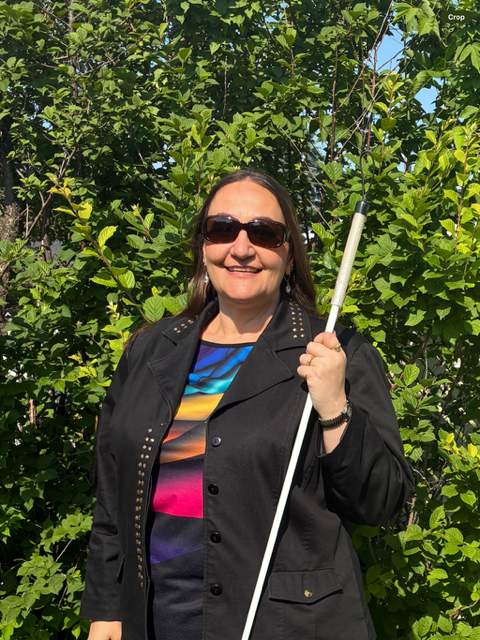
Vanessa's Story: When disability enters a family.

Living life differently, with Diverse Abilities.

Author

Diverse Abilities Programs Inc.

Share

When disability enters a family, it doesn’t happen to just one person.

I learned that in a way I never could have imagined.


At 29 years old, I went from being 100% sighted to 100% blind after a life-changing accident. I also completely lost my sense of smell and sustained a significant brain injury, in addition to two strokes. I spent approximately six months living in the hospital.


For me, there is no clear moment when everything changed. I was in a coma. I had multiple brain surgeries. My head had been shaved, I was bandaged, and when I eventually woke up, my brain wasn’t processing or remembering things properly.


My family remembers parts of my story that I don’t.


Friends and family would come to visit me, sometimes multiple times, and I wouldn’t remember seeing them. I would make up stories that weren’t true because my injured brain was trying to fill in missing pieces. My parents learned from the doctors not to argue with me because it would confuse and overwhelm me even more.


They began warning visitors ahead of time: just go with the flow.


At the time, nobody really knew how severe my brain injury was or what my future was going to look like.

They Were Adjusting Before I Was

My children were only four and six.


While I was still in a coma and nobody knew whether I would survive, my daughter came to see me. She was with her aunt, who made the decision to take her into my hospital room to see me.


I know seeing her mom lying there like that was incredibly difficult. That image will probably stay with her forever.


Everyone was doing what they thought was right. Would I have made the same decision? Probably. Do I know what the “right” decision was? No.


That’s something I’ve learned about families facing trauma and disability: sometimes there isn’t a perfect answer.


When my son first came to the hospital, he didn’t recognize me. He tried to hide.


That shattered my heart.


I didn’t look like his mom. I didn’t act like his mom. Everything was different and overwhelming.


For years, one of the hardest things for me has been the guilt. Guilt that my children had to experience this. Guilt about what my parents went through. Guilt that the future we thought we were going to have suddenly looked completely different.


My parents received the phone call every parent fears and drove three hours not knowing whether their daughter was going to survive.


Now that I am a parent, that thought hits differently.


When my children hurt, I hurt. I want to fix it. I can only imagine what my parents were feeling when there was absolutely nothing they could do to fix what had happened to me.

Learning I Was Blind

On September 25, my dad came with me to see the neuro-ophthalmologist.


Deep down, I think I already knew what we were going to hear.


The doctor explained that my optic nerves were completely dead. I would be 100% blind for life unless someday technology or medicine discovered something that could change that.


My dad had his hand on my shoulder.


I think one tear fell from my eye.


My dad’s eyes were wet too, although he tried to hold it back.


That day wasn’t just the day I learned I would be blind.


My dad learned his daughter would be blind too.


There is something I began learning around that time that has stayed with me ever since:


Tone is my new body language.


People would tell me they were “fine.”


I could hear that they weren’t.


I could hear heartbreak, fear and sadness in voices even when the people I loved were desperately trying to protect me from it.

Becoming a Toddler Again

During my five months in the hospital, I occasionally went home to my parents’ house for a day or weekend.


I thought going home would feel comfortable and familiar after living in a hospital.


It didn’t.


I remember walking up the stairs and practically being able to hear my dad’s heart racing with every step I took.


I had to be re-oriented to a house I had known for years. If my parents couldn’t be there, a care aide, friend or family member had to stay with me.


I felt like a toddler.


One of my doctors kept telling me that the next few years would be like growing up all over again.


I hated hearing that.


I didn’t want to grow up again. I wanted my old life back.


Looking back though, he was right.


There were times my parents had to help me find the bathroom. At night, I would become disoriented, panic and cry. Yes, there were even times I peed on the floor.


Embarrassing? Absolutely!


Never in a million years did I think I would be 29 years old and relying on my parents for things I had been doing independently since childhood.


At one point, my dad gave me a walkie-talkie so I could call him if we were on different floors of the house.


At the time, those things represented everything I couldn’t do.


Today, I see something else in them.


Love.

The Bowling Ball That Changed Something

Both of my children’s birthdays happened while I was living in the hospital.


Missing months of their lives was already killing me. Missing their birthdays felt unbearable.


Thankfully, I had people around me who didn’t focus only on what I couldn’t do. They started figuring out how I could still participate.


We rented a bowling alley and filled it with my children’s friends and family.


My kids walked me to the lane, put a bowling ball into my hands and let me throw it.


Did every ball go where it was supposed to?


Absolutely not.


I may have introduced the lane beside us to a bowling ball a few times. There were definitely gutters involved.


None of that mattered.


I could hear my kids laughing. I could hear their friends. I could hear the happiness and excitement around me.


Their mom was there.


That day gave me one of my first glimpses of something I desperately needed to understand:


I didn’t have to participate in exactly the same way I used to. I just needed the opportunity to participate.

The Little Things Became Big Things

A friend who is an amazing baker invited me over during the Christmas season to make butter tarts.


I didn’t know how that was going to work.


She did.


With some guidance, she helped me measure the sugar, raisins and other ingredients. Together, we made more than 100 butter tarts.


Later, she invited me back to make cupcakes. I even iced them myself so my children could sell them at my parents’ garage sale.


Were they little things?


Maybe to somebody else.


To me, they were milestones.


I was learning that blindness didn’t necessarily mean I couldn’t do something. Sometimes it meant I needed to learn a different way of doing it. Sometimes I needed an accommodation. Sometimes I needed patience... from the people around me and from myself.

The Firsts Are Hard

My first Christmas blind was incredibly difficult.


I had always loved buying presents and surprising people. Suddenly, I couldn’t walk through stores and choose gifts the way I used to.


Christmas morning was overwhelming. Everyone was talking, presents were being opened and things were happening around me that I couldn’t see.


My family slowed everything down. They opened gifts one at a time and described them to me.


Afterward, I sat individually with my children and went through their presents so I could understand what they had received and create a picture of it in my mind.


I desperately wished I could have permanent audio description playing in my ear telling me everything happening around me.


My family became my audio description.


Of course, there was one unexpected Christmas benefit.


Nobody had to hide my presents anymore.


I had always been a snoop.


Nine years later, that’s still a family joke.


Sometimes humour finds its way into places you never expected it to.

Let People Help Carry the Communication

There are practical things my family learned too.


My parents’ phones were constantly going off because so many people loved us and wanted to know what was happening.


A family friend suggested creating a private Facebook page where my parents could post one update instead of answering countless individual calls and messages.


It was brilliant.


It also helped coordinate visitors so I wasn’t exhausted or overwhelmed.


My family didn’t immediately announce publicly that I was blind either. There were privacy and safety concerns, and quite simply, we weren’t ready.


That’s okay.


You don’t owe everyone your family’s story before you’re ready to tell it.


Share what you’re comfortable sharing, when you’re comfortable sharing it.

Keep the Memories, Even the Painful Ones

My mom was encouraged to keep a journal.


It took her eight years before she could open it again.


When she finally did, reading where we had been and comparing it to where we are today became another form of healing.


My family also took photographs.


My mom wasn’t sure that was appropriate at first. My sister and dad knew me well enough to think differently.


Apparently, one of the first things I asked after waking from my coma was, “Do you have a picture of me?”


Of course I did.


I had always been the person with the camera.


Today, I have a private album containing photographs from my accident, coma and hospitalization. I can’t see them, but I know they’re there. Maybe technology will allow me to see them someday. Maybe they will become part of telling my story in another way. Either way, they’re part of my history.


My godmother gave me another extraordinary gift.


A few days after my accident, while I was still in a coma, she gathered approximately 30 women at her home. They shared prayers, positive thoughts, memories of me, things they loved about me, and their hopes for my future.


She recorded it.


About a year later, when I was ready, she played it for me.


It touched the bottom of my soul.


Hearing how much people believed in me gave me another reason to keep going.


The important part was that I heard it when I was ready.

Everyone Processes Differently

Some friendships changed after my accident.


People I had once been incredibly close with weren’t always there anymore. Some people didn’t know what to say. Some were uncomfortable. Some didn’t know whether I would even remember them.


Others simply showed up.


Nine years later, I understand those reactions differently.


We all deal with frightening and uncomfortable situations in our own way.


There isn’t one correct timeline for processing something this big.


There isn’t one correct way to grieve.


There isn’t one correct way to support somebody.


Sometimes the most important thing you can do is simply stay.


My mom did that literally.


While I lived in the hospital, she would climb into my hospital bed, put her arm around me, cuddle me and fall asleep beside me.


Strangely enough, those are some of my favourite memories of my entire life.


My dad was different.


He was my medical warrior.


He was the person who kept things together, asked questions, protected me and tried to be strong for everyone. Even today, he’s the first person there when something in my house needs fixing. He’ll hold me tight and tell me how much he loves me.


Part of me still feels like I broke a piece of his heart the day of my accident.


Maybe there will always be a crack there.


We don’t have to pretend that everything gets completely fixed.

If Your Family Is At the Beginning

If disability or a life-changing diagnosis has just entered your family, I wish I could sit beside you and tell you this:


It’s okay to hurt.


It’s okay to cry.


It’s okay to be angry, exhausted, confused or scared.


You don’t have to pretend you’re fine to protect each other.


Hold each other.


Take pictures if that’s right for your family. Write things down. Keep a journal. Record voices and memories. You may not be ready to revisit them for months or even years, and that’s okay too.


Let people help.


Protect your privacy.


Laugh when something is funny, even when everything else feels terrible.


Celebrate the little milestones because sometimes the things that look insignificant to everyone else are enormous victories.


One of my care workers told me something during a particularly difficult day when I wanted to give up.


She reminded me that by continuing to get up and keep going, I was teaching my children one of life’s most important lessons:


When life gets tough, keep going.


I carried that with me.


I still carry it.


My family didn’t follow the path we thought we were going to follow.


We had to find another one.


Nine years later, we’re still finding it.


If your family is standing at the beginning right now, unable to imagine what comes next, I hope you’ll remember this:


It’s not going to be the same path you thought it was going to be, but you will find a way.


Together.


April 21, 2026
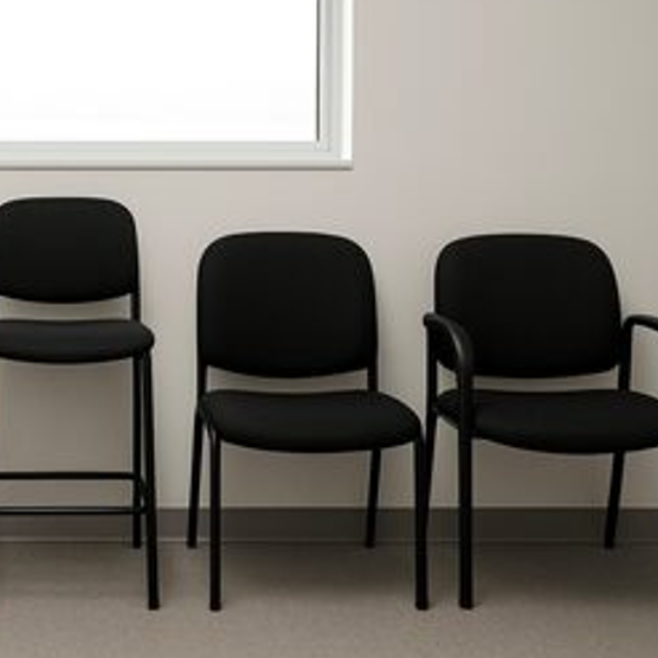
Chairs are more than just somewhere to sit.
April 21, 2026
What I wish I had known when I was first diagnosed.
April 21, 2026
All we want is to be seen as a person, not just our disability. 
April 21, 2026
Something really beautiful happened recently, and I’ve been sitting with it .
April 21, 2026
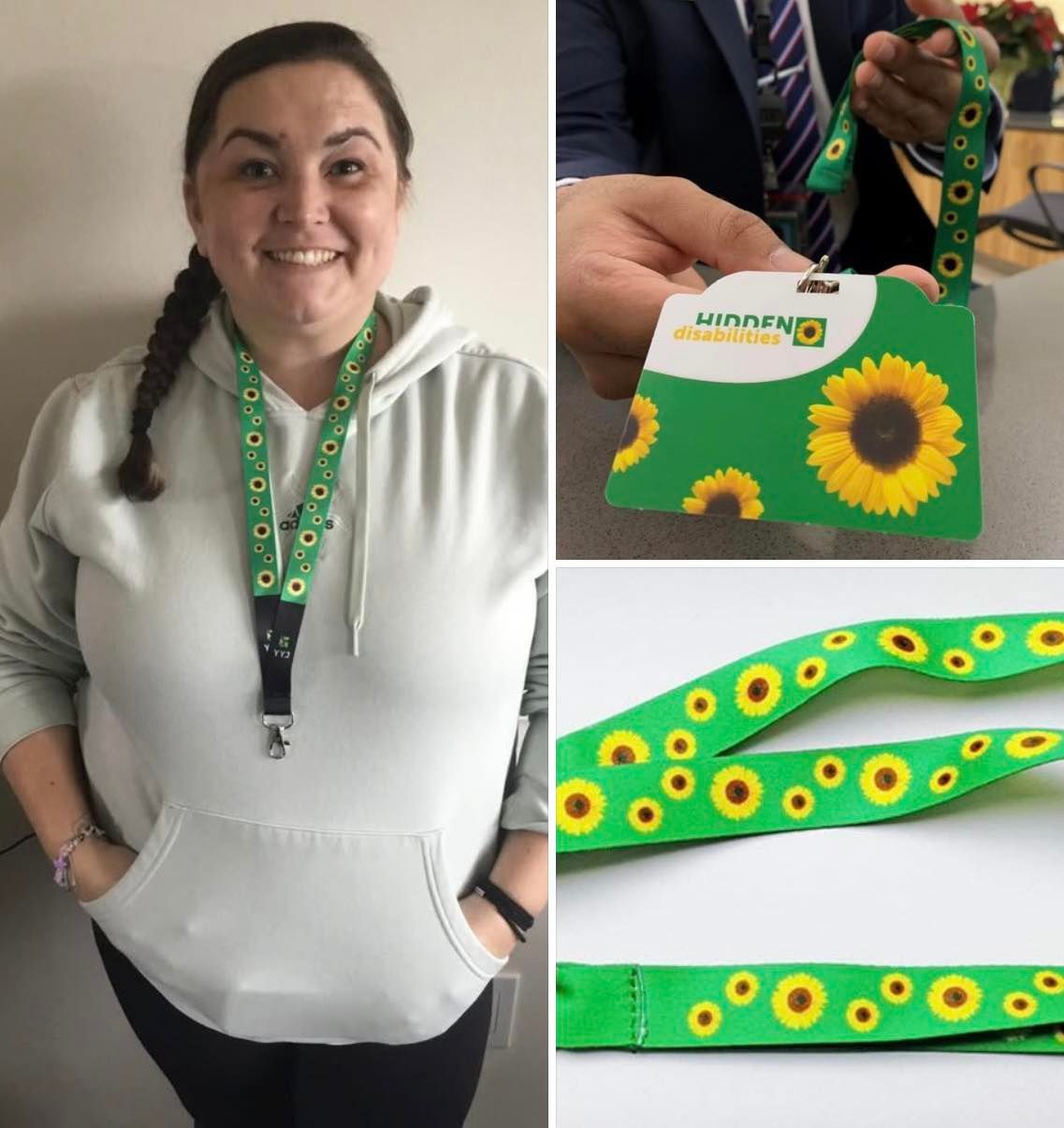
Hidden Disabilities Sunflower: For People Living With Hidden Disabilities

April 21, 2026
Feel Confident Navigating & Travelling Around The City
April 21, 2026
Discovering How ADHD Shaped My Experiences
April 21, 2026
What if creating an inclusive workplace was easier than you thought?
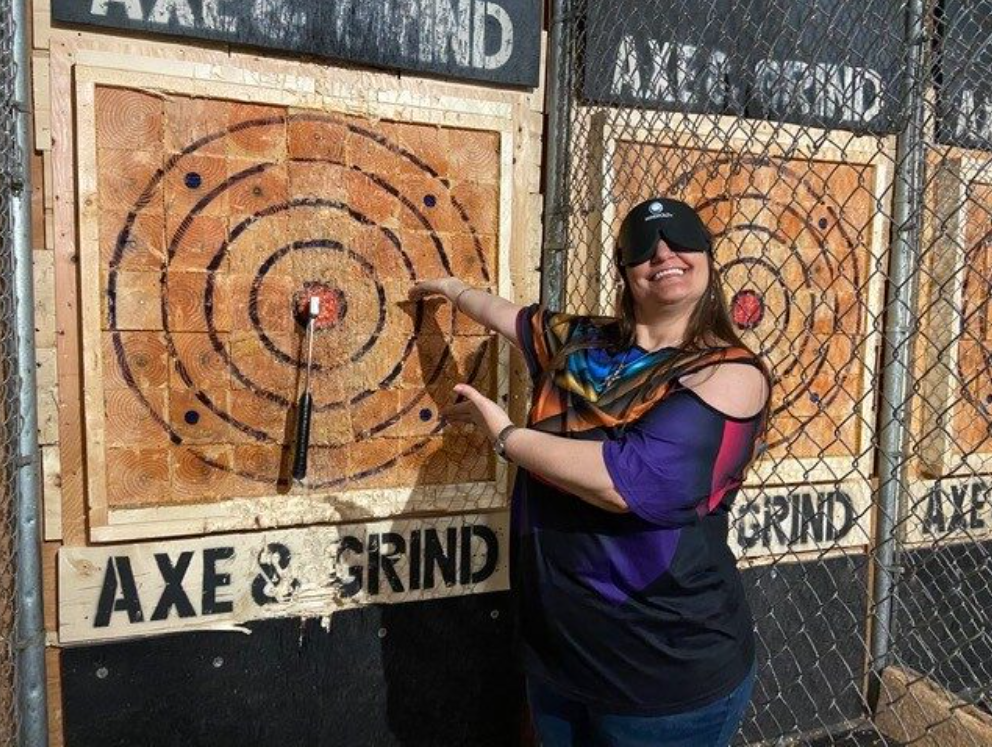
Gina showing her axe-throwing bullseye she got while blindfolded
April 21, 2026
In life, three barriers often prevent people with disabilities from fully participating in various activities: Social stigmas, attitudes, and misconceptions about our abilities. The built environment and the lack of accessibility.  Ourselves, which includes fear of the unknown, fear of failure, and lack of confidence. While we may not always be able to change the first two, the third barrier—our mindset—is one that only we can break through. In 1992, I was diagnosed as legally blind due to Progressive Cone Dystrophy. But it wasn’t until 2015 that I fully embraced my blindness. Rather than saying, "I’m losing my sight," I reframed it as, "I’m gaining my blindness." This shift in mindset allowed me to step out of my comfort zone and explore non-visual techniques to complete tasks I once relied on sight for. Patience, time, and yes, frustration, were all part of the process. But now, I’m living my best life—doing even more than I did with vision. When friends asked me to go axe 🪓 and dagger 🗡️ throwing, I immediately said yes. I love new experiences, and I wasn’t going to let my blindness be a barrier. We spent an hour learning how to hold, aim, and throw. I chose to wear a blindfold because the small amount of vision I have left can be more distracting than helpful. My focus wasn’t on whether I got a bullseye but on having fun, being included, and trying something new. After all, we never know if we’ll like something until we try. For this experience, the target was about 15 feet away, with chain fences on either side. I could stretch my arms out and feel both fences, giving me a sense of space. There was also a tactile line under my feet, ensuring I knew where to stand. To throw the axe, I gripped the bottom of the handle with my dominant hand (right) and placed my left hand over my right. I raised the axe over my head, letting it rest between my shoulder blades, squared my body to the target, relaxed my shoulders, and threw. I hit the target most times and even landed two bullseyes! It was exhilarating. My husband and friends joined in by donning blindfolds and throwing axes, too. Even the staff took part in the experience, and we all had a blast. The dagger 🗡️ proved more challenging. To throw it, I had to position the tip of the blade pointing toward me, over my shoulder, next to my ear—a nerve-wracking task without sight. I threw it four times and managed to hit the board once (the handle stuck, not the blade, but close enough for me to laugh about it). While I enjoyed trying it, I much preferred the axe and will definitely be doing that again. This experience reinforced the idea that people with disabilities may not always meet others where they are—but that doesn’t stop others from meeting us where we are. It’s not about the perfect experience; it’s about trying and enjoying the process. So, step out of your comfort zone. You may discover something new and, most importantly, have fun.
April 21, 2026
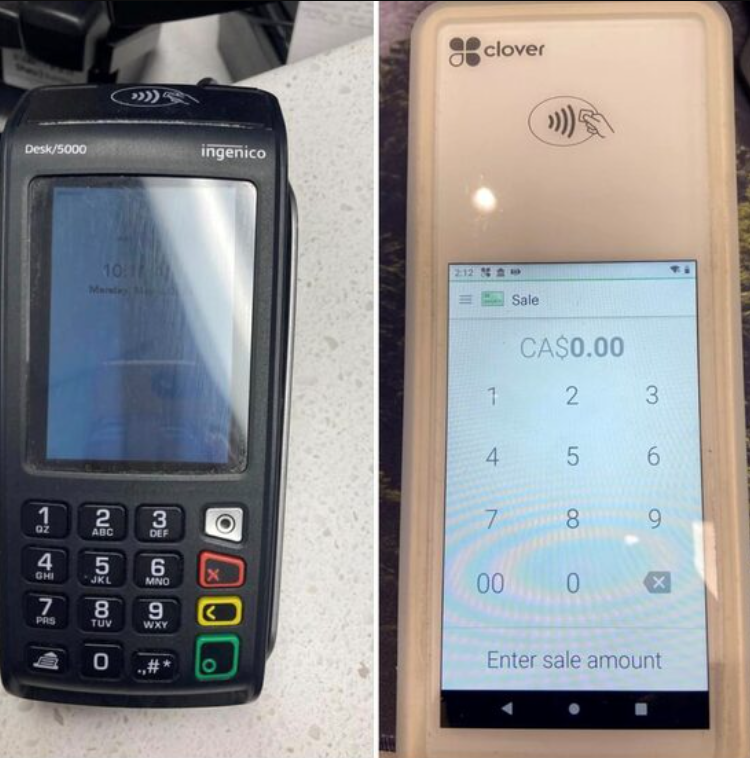
Are they really accessible for everyone to use? Here's a simple tip to make your business more accessible: