
April 21, 2026

Braille: The History & How To Read Lower-Case

Living life differently, with Diverse Abilities.

Author

Diverse Abilities Programs Inc.

Share

What is Braille?

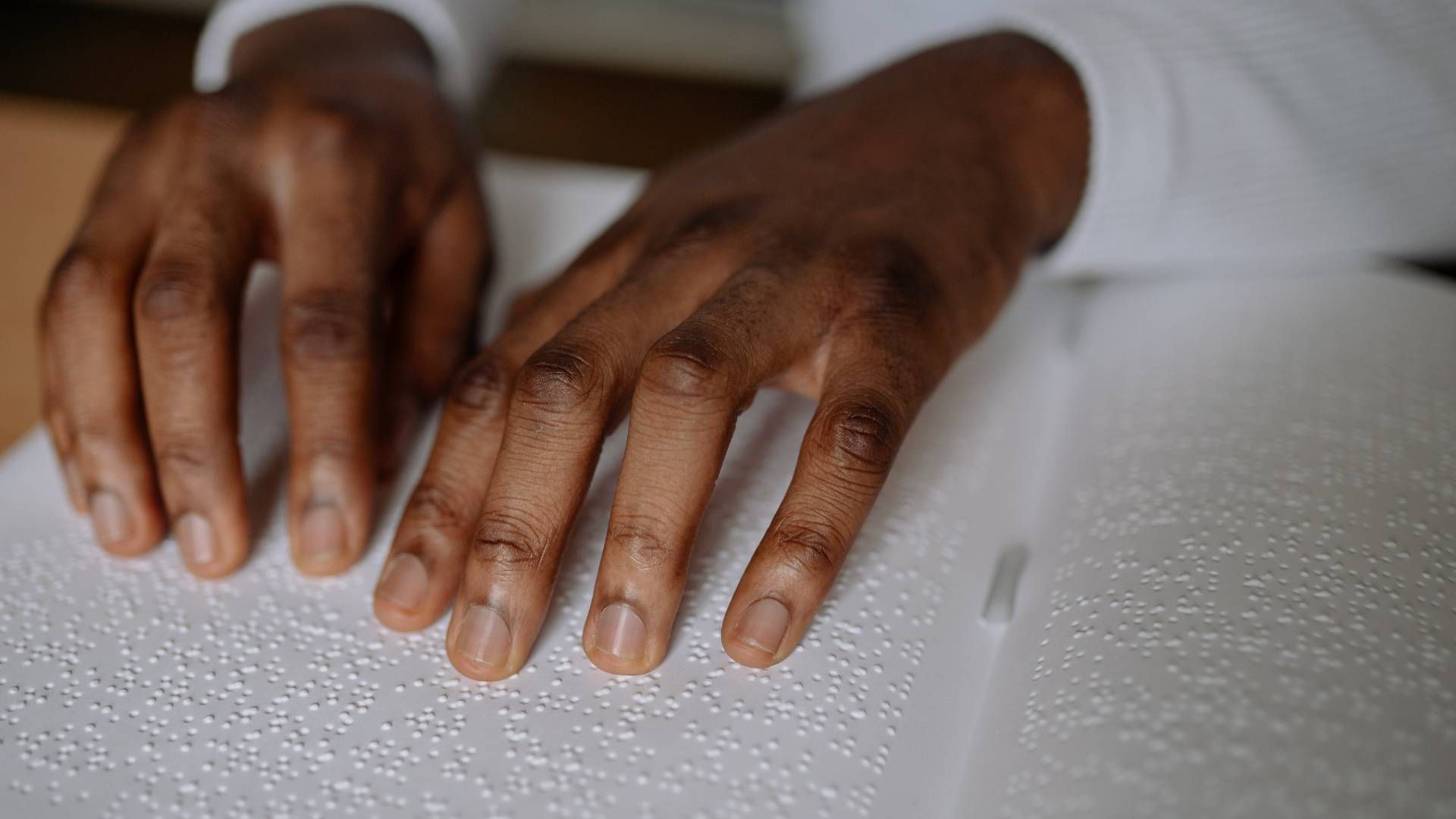
The Braille alphabet is used by people who are blind or partially sighted as a basis of the larger Braille code for reading and writing. Kids and adults who are blind read Braille by gliding their fingertips over the lines of embossed Braille dots. They write braille using a variety of tools, such as the Perkins Brailler.


I do not own a Perkins Brailler, so I use a slate and stylus to write my labels. 

People who are sighted can learn Braille as well, either by touch or using their vision. People who have dyslexia or other disabilities that affect what they are looking at and what their brain is interpreting can also benefit from reading by touch.


A proficient Braille reader a person can read between 170 and 220 words a minute.  A great place for everyone to begin learning Braille is with the Braille alphabet.

Learn How To Read Braille

The first thing to know is that Braille is a code and not a language itself. There are different “grades” and versions of Braille. The most basic is “grade one Braille”. Every letter is transcribed. For every letter in the English alphabet, there is a Braille character. And each Braille letter is made of a combination of raised dots in the Braille cell. A Braille cell is the basic component of Braille.

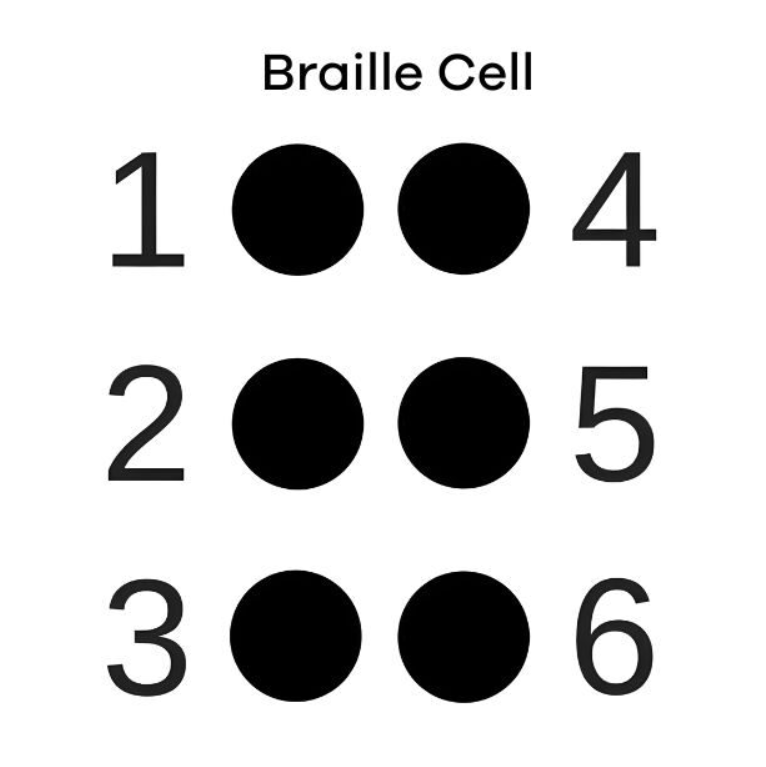
A Braille Cell


A Braille cell is comprised of raised dots arranged in two columns and 3 rows. Each dot has a number from 1 to 6. The top left corner of the cell is dot 1. Moving down the column to the middle row is dot 2, and in the bottom left corner is dot 3. In the top right corner is dot 4, the middle dot in the​right column is dot 5. The bottom right corner is dot 6. A full Braille cell is all 6 dots.


This symbol is used on Canadian dollar bills.

Lower-Case Vs. Upper-Case


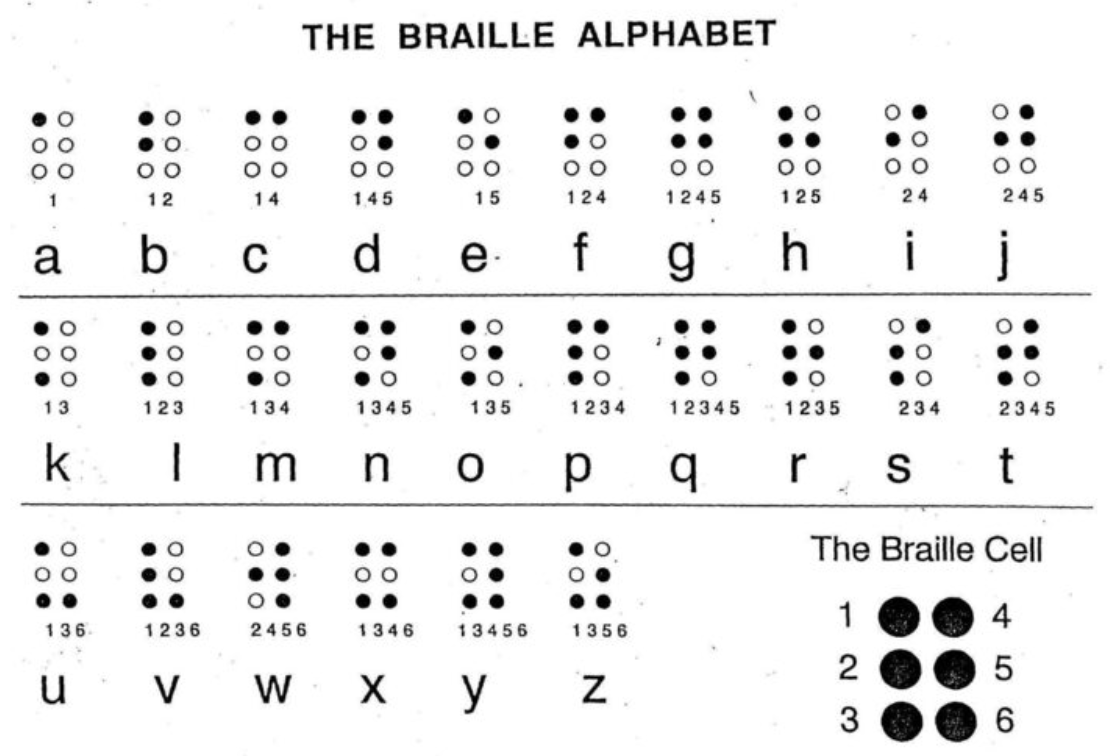
These are all of the lower-case Braille letters in the English alphabet. To form a capital letter, you must place a dot 6 before the letter. There are also Braille characters for other punctuation and symbols. If all letters are capitalized, then two dot 6 will be before the word.

Braille Lower-Case Letters A-J


The Braille alphabet uses a pattern throughout the alphabet. The easiest letter to learn is “a”, which is dot 1. Next, the letter “b” is dot 1 and dot 2, and “c” is dot 1 and dot 4.


Here are the dot configurations for each letter written out:

Letter Dot Position
A 1
B 1,2
C 1,4
D 1,4,5
E 1,5
F 1,2,5
G 1,2,4,5
H 1,2,5
I 2,4
J 2,4,5

Here is a photo of the dot configurations:

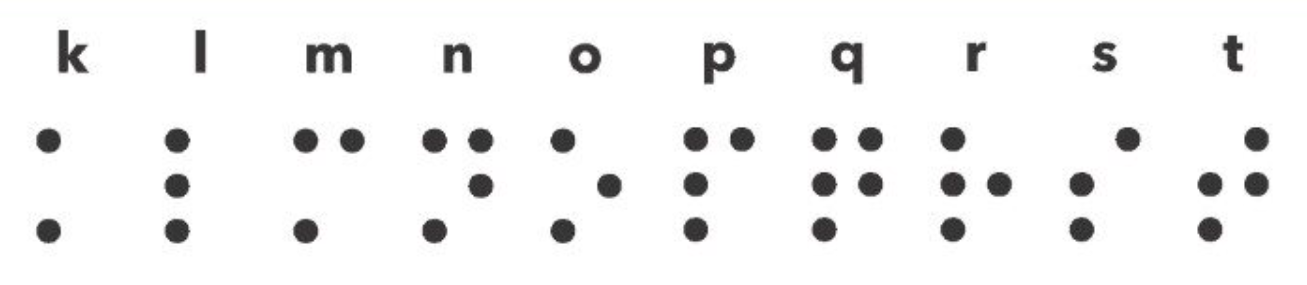
Braille Lower-Case Letters K-T


The second set of letters follows the pattern, only adding a dot 3 to each character in the first set of Braille letters.


Here are the dot configurations for each letter written out:

Letter Dot Position
K 1,3
L 1,2,3
M 1,3,4
N 1,3,4,5
O 1,3,5
P 1,2,3,4
Q 1,2,3,4,5
R 1,2,3,5
S 2,3,4
T 2,3,4,5

Here is a photo of the dot configurations:

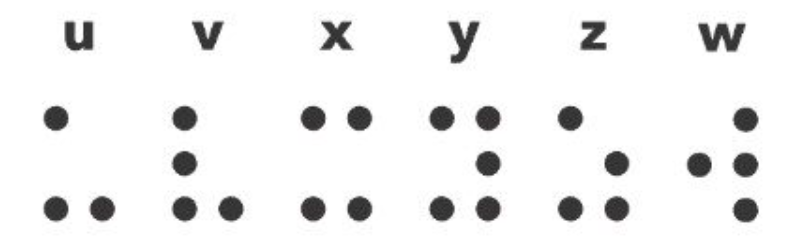
Braille Lower-Case Letters U-Z


The last set of letters continues the pattern by adding a dot 6 to the second set of letters. However, there is one exception that interrupts the pattern here. At the time Louis Braille invented the first version of the Braille alphabet, the French language did not use the letter “w” so it was skipped. The Braille letter “w” is instead created by dots 2, 4, 5, 6.


Here are the dot configurations for each letter written out:

Letter Dot Position
U 1,3,6
V 1,2,3,6
W 2,4,5,6
X 1,3,4,6
Y 1,3,4,5,6
Z 1,3,5,6

Here is a photo of the dot configurations:

Other Ways To Use Braille


Now, you’re probably wondering about Braille numbers, Braille music and even other languages in Braille. Braille numbers are like letters but have a special number sign character in front to tell readers that the characters that follow are intended to be numbers. There are also special codes for math and Braille music notation.

A Brief History Of Braille

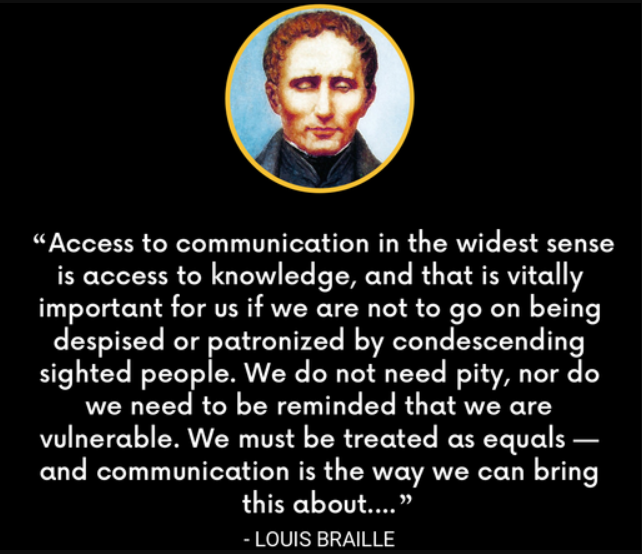
Louis Braille invented the Braille system in 1824 at the age of 15 and continued to improve upon it throughout his lifetime. We continue to make updates to Braille today. In 2016, the United States switched to the Unified English Braille code (UEB) from the American version of Braille.


Louis Braille’s birthday is on January 4th, and on that day, we celebrate World Braille Day. This is to raise awareness of the importance of Braille literacy. 

Just imagine if everyone learned about Braille and used it wherever there is print! There’d be more access to the world for the people who read Braille and more opportunities for others to learn. Books, museums, stores, offices… Braille is yet to be included everywhere we need it.


Together, we can make the world more inclusive for Braille readers.


Want to learn more about how people living with disabilities do the things they do, and the tools and devices they use to live their most confident lives? Learn more about our Disability Awareness Programs & Training (aDAPT) program.


April 21, 2026
Chairs are more than just somewhere to sit.
April 21, 2026
What I wish I had known when I was first diagnosed.
April 21, 2026
All we want is to be seen as a person, not just our disability. 
April 21, 2026
Something really beautiful happened recently, and I’ve been sitting with it .
April 21, 2026
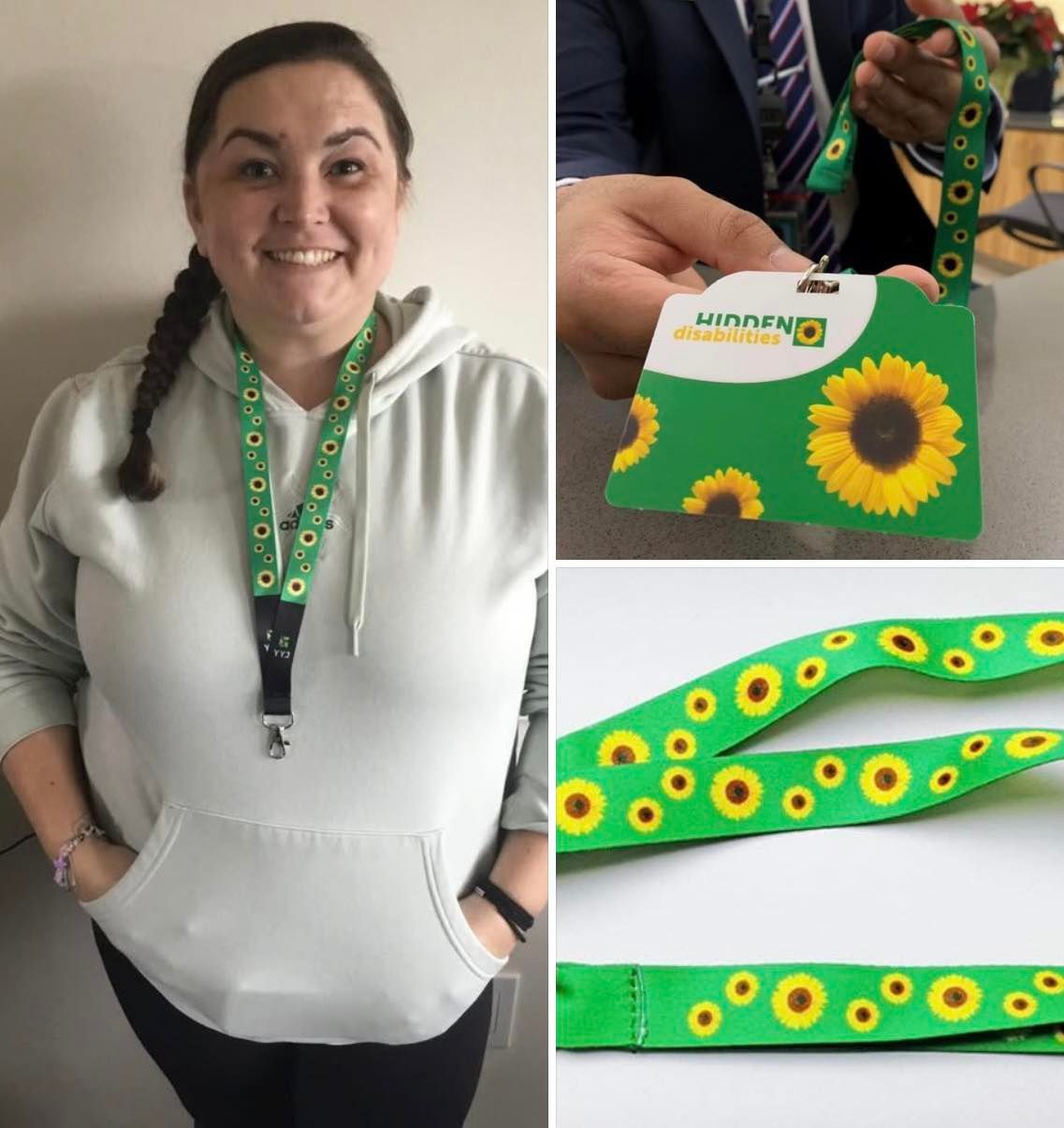
Hidden Disabilities Sunflower: For People Living With Hidden Disabilities

April 21, 2026
Feel Confident Navigating & Travelling Around The City

April 21, 2026
Discovering How ADHD Shaped My Experiences
April 21, 2026
What if creating an inclusive workplace was easier than you thought?
April 21, 2026
In life, three barriers often prevent people with disabilities from fully participating in various activities: Social stigmas, attitudes, and misconceptions about our abilities. The built environment and the lack of accessibility.  Ourselves, which includes fear of the unknown, fear of failure, and lack of confidence. While we may not always be able to change the first two, the third barrier—our mindset—is one that only we can break through. In 1992, I was diagnosed as legally blind due to Progressive Cone Dystrophy. But it wasn’t until 2015 that I fully embraced my blindness. Rather than saying, "I’m losing my sight," I reframed it as, "I’m gaining my blindness." This shift in mindset allowed me to step out of my comfort zone and explore non-visual techniques to complete tasks I once relied on sight for. Patience, time, and yes, frustration, were all part of the process. But now, I’m living my best life—doing even more than I did with vision. When friends asked me to go axe 🪓 and dagger 🗡️ throwing, I immediately said yes. I love new experiences, and I wasn’t going to let my blindness be a barrier. We spent an hour learning how to hold, aim, and throw. I chose to wear a blindfold because the small amount of vision I have left can be more distracting than helpful. My focus wasn’t on whether I got a bullseye but on having fun, being included, and trying something new. After all, we never know if we’ll like something until we try. For this experience, the target was about 15 feet away, with chain fences on either side. I could stretch my arms out and feel both fences, giving me a sense of space. There was also a tactile line under my feet, ensuring I knew where to stand. To throw the axe, I gripped the bottom of the handle with my dominant hand (right) and placed my left hand over my right. I raised the axe over my head, letting it rest between my shoulder blades, squared my body to the target, relaxed my shoulders, and threw. I hit the target most times and even landed two bullseyes! It was exhilarating. My husband and friends joined in by donning blindfolds and throwing axes, too. Even the staff took part in the experience, and we all had a blast. The dagger 🗡️ proved more challenging. To throw it, I had to position the tip of the blade pointing toward me, over my shoulder, next to my ear—a nerve-wracking task without sight. I threw it four times and managed to hit the board once (the handle stuck, not the blade, but close enough for me to laugh about it). While I enjoyed trying it, I much preferred the axe and will definitely be doing that again. This experience reinforced the idea that people with disabilities may not always meet others where they are—but that doesn’t stop others from meeting us where we are. It’s not about the perfect experience; it’s about trying and enjoying the process. So, step out of your comfort zone. You may discover something new and, most importantly, have fun.
April 21, 2026
Are they really accessible for everyone to use? Here's a simple tip to make your business more accessible: