April 21, 2026

Blindness & Different Types Of Eye Conditions

Living life differently, with Diverse Abilities.

Author

Diverse Abilities Programs Inc.

Share

1) When a fully sighted person is looking at something that is 200 feet away and sees it clearly, that is 20/20 vision. When someone is diagnosed as legally blind, that means that the person with the diagnosis needs to be 20 feet or closer to it to see it or to kind of see it.


2) Never assume someone’s level of vision; just know that it is far worse than yours.


3) Not everyone who identifies as blind is totally blind. According to the American Foundation for the Blind,15% of our blind community sees nothing at all. The rest of us have varying degrees of vision remaining, with the vision we have being limited and often unreliable.


4) Vision loss is a non-apparent disability. You cannot always tell if someone is blind. If someone tells you they are blind or legally blind, believe us and take it as a compliment that we trusted you to share it with. For some of us experiencing vision loss, this is a very big deal.


5) Not everyone who is blind uses a mobility device to navigate. Some of us may use a white cane, and there are many different types of canes available to choose from. Some of us choose to have a guide dog, while others prefer to rely on their remaining vision. Some of us want to travel by sighted guide, and others just prefer to follow. We all have different preferences because we are all different from each other.


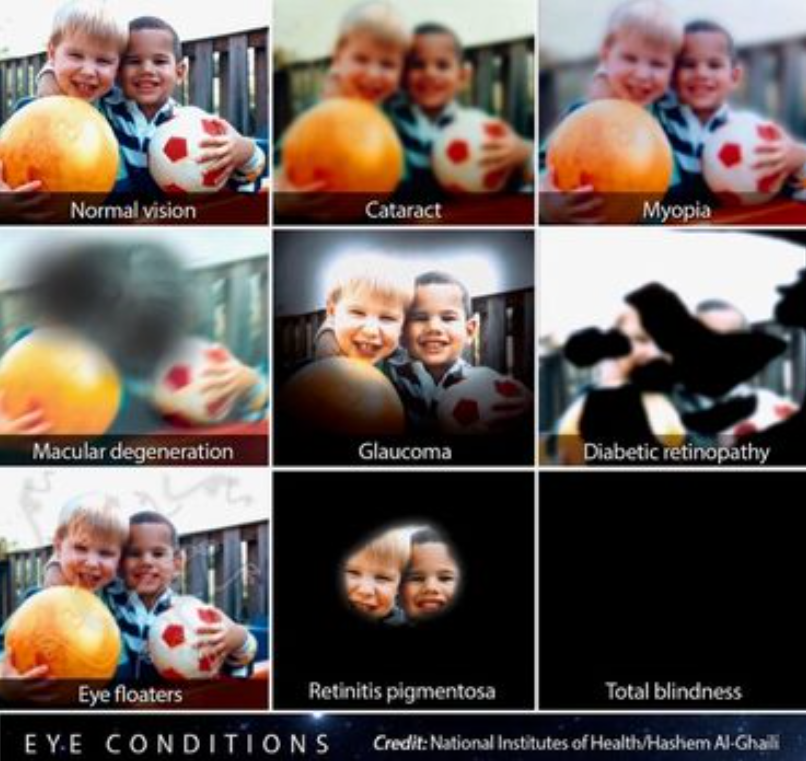
No two people diagnosed as legally blind sees exactly the same. There are many different eye conditions affecting different parts of the eye(s). None of our experiences with vision loss is the same because we do not all have the same support system at home, in school or the community. We do not all have the financial resources to purchase the tools and devices that make life easier. We do not all have the opportunity to receive rehabilitation training, and we are all at a different stage of acceptance in our journey.


If you want to know about a person and what they can or cannot see, if you have questions or are curious, please ask the person you are curious about. This way, you gain accurate information about that person and what they’re experiencing.


If you would like to learn about what kinds of eye conditions there are, here is a link for more information on the different types of eye conditions, as explained by the USA National Eye Institute.


October 15, 2026
After becoming blind, Vanessa had to discover what motherhood would look like in a life that had completely changed. Through challenges, laughter, and meaningful moments with her children, she learned that being Mom isn’t about seeing—it’s about showing up.
October 7, 2026
After six months in the hospital, Vanessa was determined to return home to her children. She shares the challenges of adjusting to blindness, rebuilding independence, and learning how to be Mom in a new way.
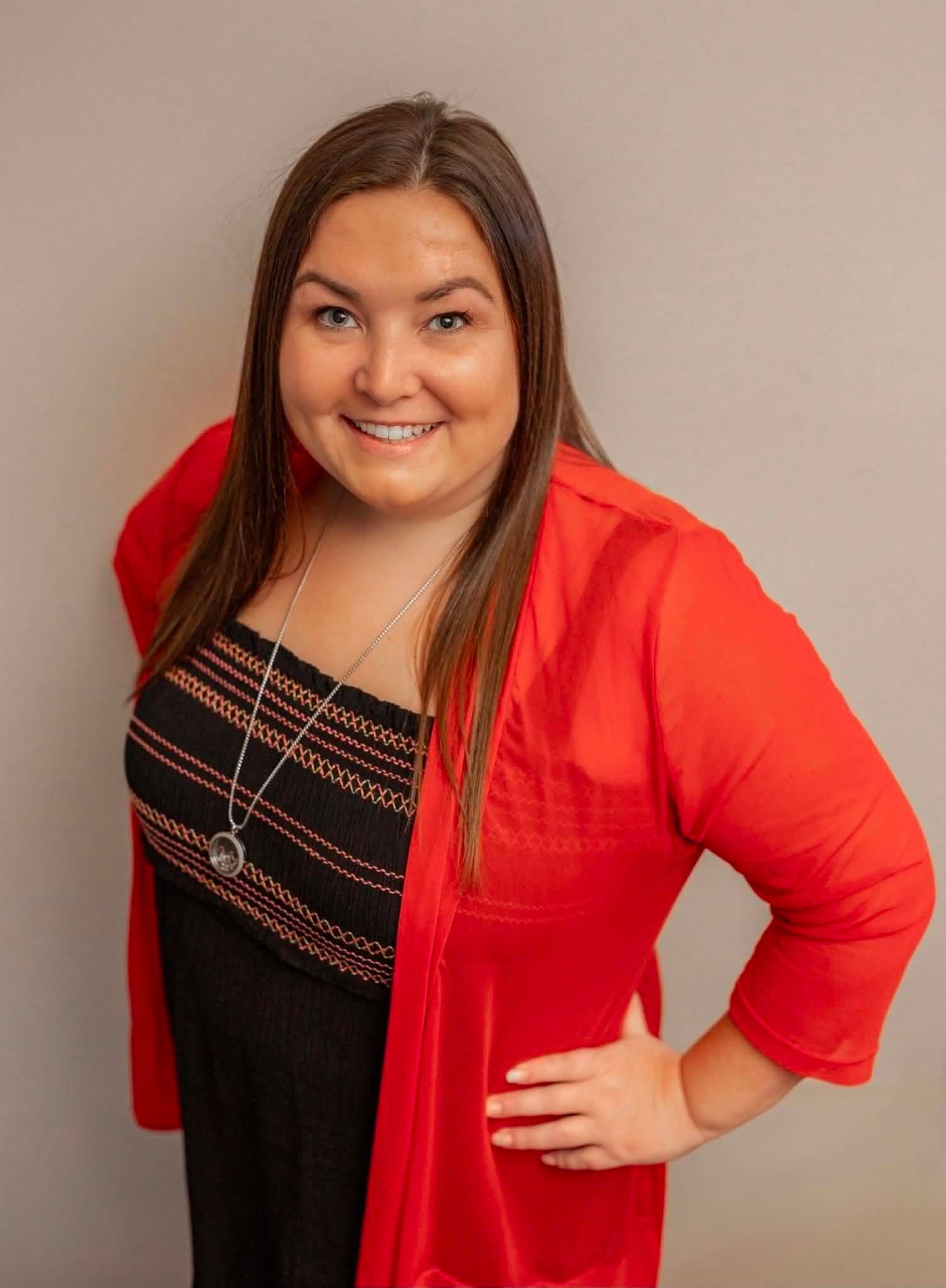
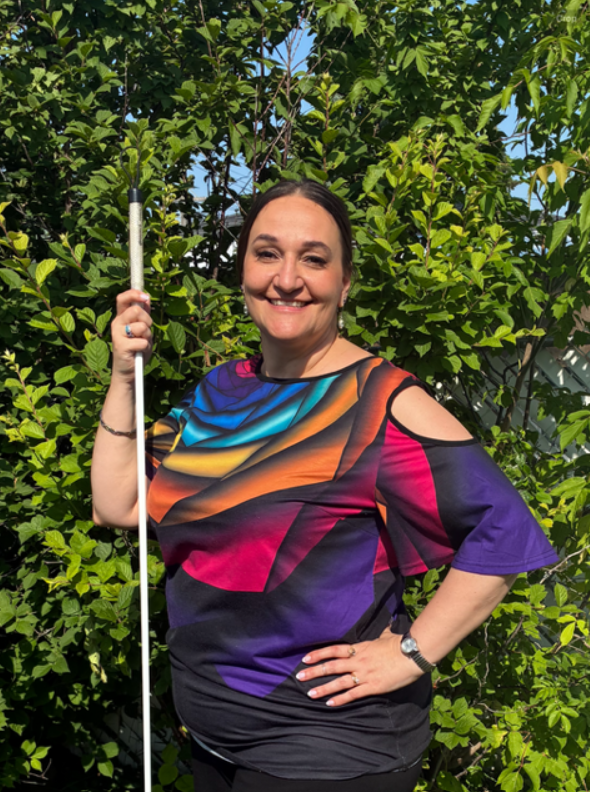
Vanessa smiling with her hands on her hips.
September 28, 2026
Vanessa shares how suddenly becoming blind changed not only her life, but her entire family. Through grief, love, adaptation, and small victories, they learned to navigate disability and find a new path forward together.

April 21, 2026
Chairs are more than just somewhere to sit.
April 21, 2026
What I wish I had known when I was first diagnosed.
April 21, 2026
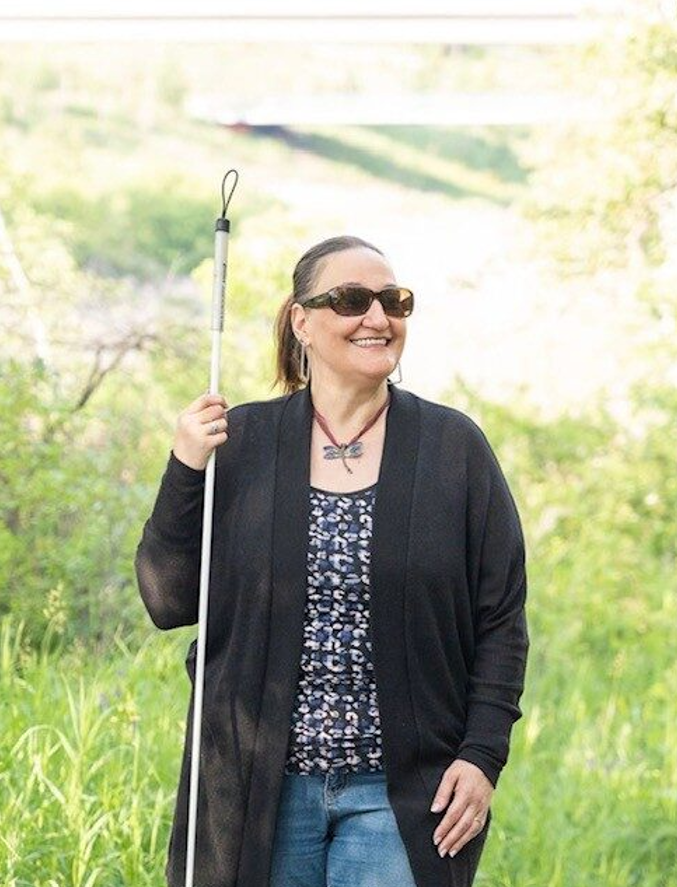
All we want is to be seen as a person, not just our disability. 
April 21, 2026
Something really beautiful happened recently, and I’ve been sitting with it .
April 21, 2026
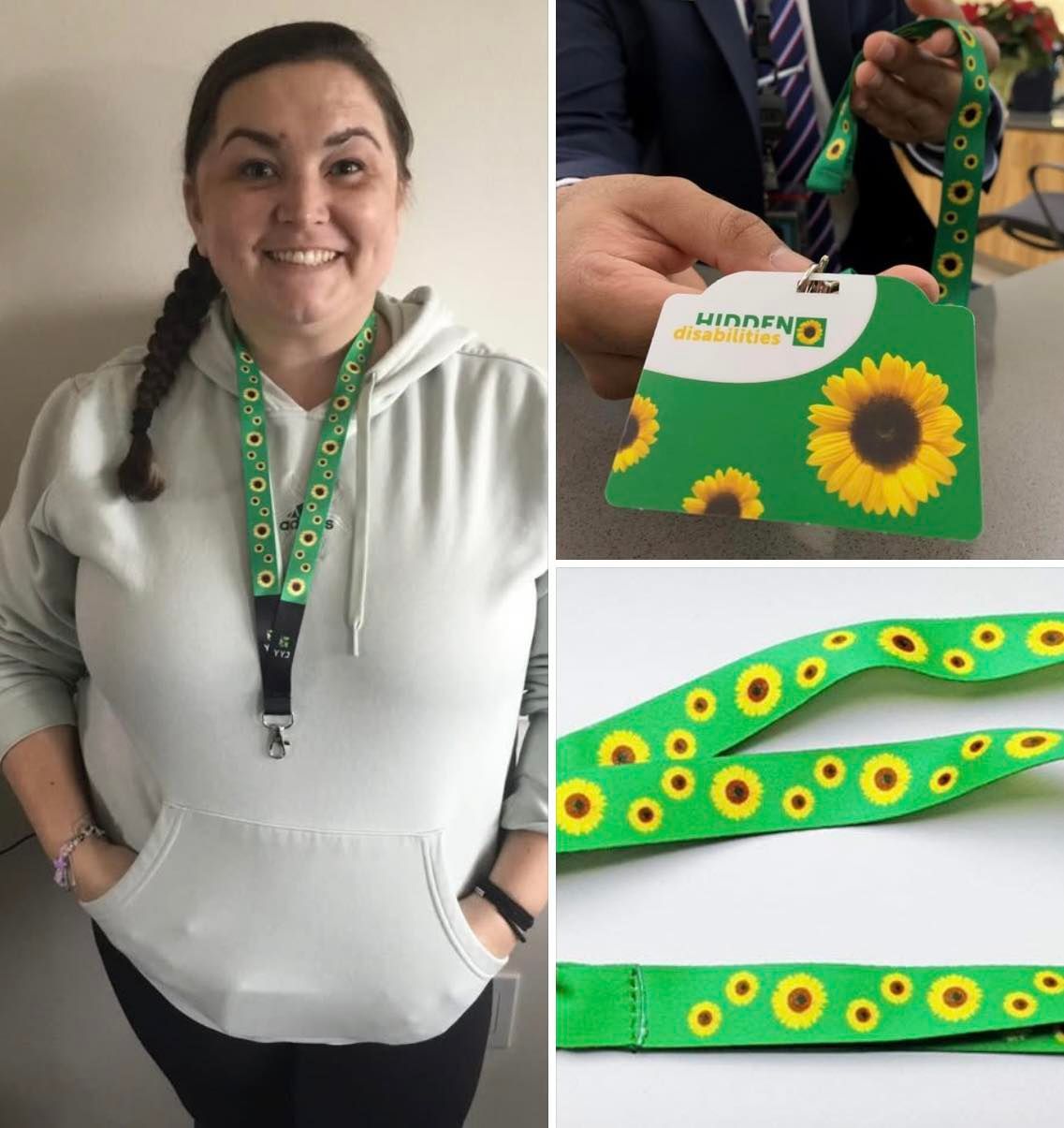
Hidden Disabilities Sunflower: For People Living With Hidden Disabilities

April 21, 2026
Feel Confident Navigating & Travelling Around The City
April 21, 2026
Discovering How ADHD Shaped My Experiences