

April 21, 2026

Disabilities & Learning Differently

Living life differently, with Diverse Abilities.

Author

Diverse Abilities Programs Inc.

Share

Learning Disabilities: Helpful Support Starts With Understanding

According to Easter Seals of Canada, approximately 22% of our population in Canada lives with a learning disability. Dyslexia, dysgraphia, dyscalculia, and dyspraxia are some examples. Learning disabilities have nothing to do with intelligence or psychiatric conditions. Many people with learning disabilities are bright and successful professionals. A learning disability can affect a person’s concentration, sequencing, memory, the ability to read, write, count, take notes, or follow directions. Many learning disabilities go undiagnosed for years.


Helpful Tips:


  • Avoid trying to cure the disability. That cannot be done, but there are techniques for helping people with learning disabilities to learn, work, and function effectively in their lives and in society.


  • The more you learn about the disability, the easier it will be to be patient and to understand what is going on for that individual.


  • Be prepared to provide information in an alternative format, for example, writing directions down versus giving directions verbally.


  • If the individual is a child, be very encouraging and supportive. This is an uphill battle, but in most cases, it can be won.


  • Ask the person with the learning disability how to best accommodate their needs. (Remember, they are experts on their condition.)


  • Become accustomed to providing information in the format and structure that is most effective and appropriate for the individual to use.


  • Because learning disabilities are non-apparent, they can be difficult to recognize. Having patience, optimism, and a willingness to find creative solutions are your best tools.


There are many tools, devices, and techniques that help people function better in life. It may take time to figure out what works best, and getting connected with others in similar situations can be a huge benefit to finding new ways to make life easier.


April 21, 2026
Chairs are more than just somewhere to sit.
April 21, 2026
What I wish I had known when I was first diagnosed.
April 21, 2026
All we want is to be seen as a person, not just our disability. 
April 21, 2026
Something really beautiful happened recently, and I’ve been sitting with it .
April 21, 2026
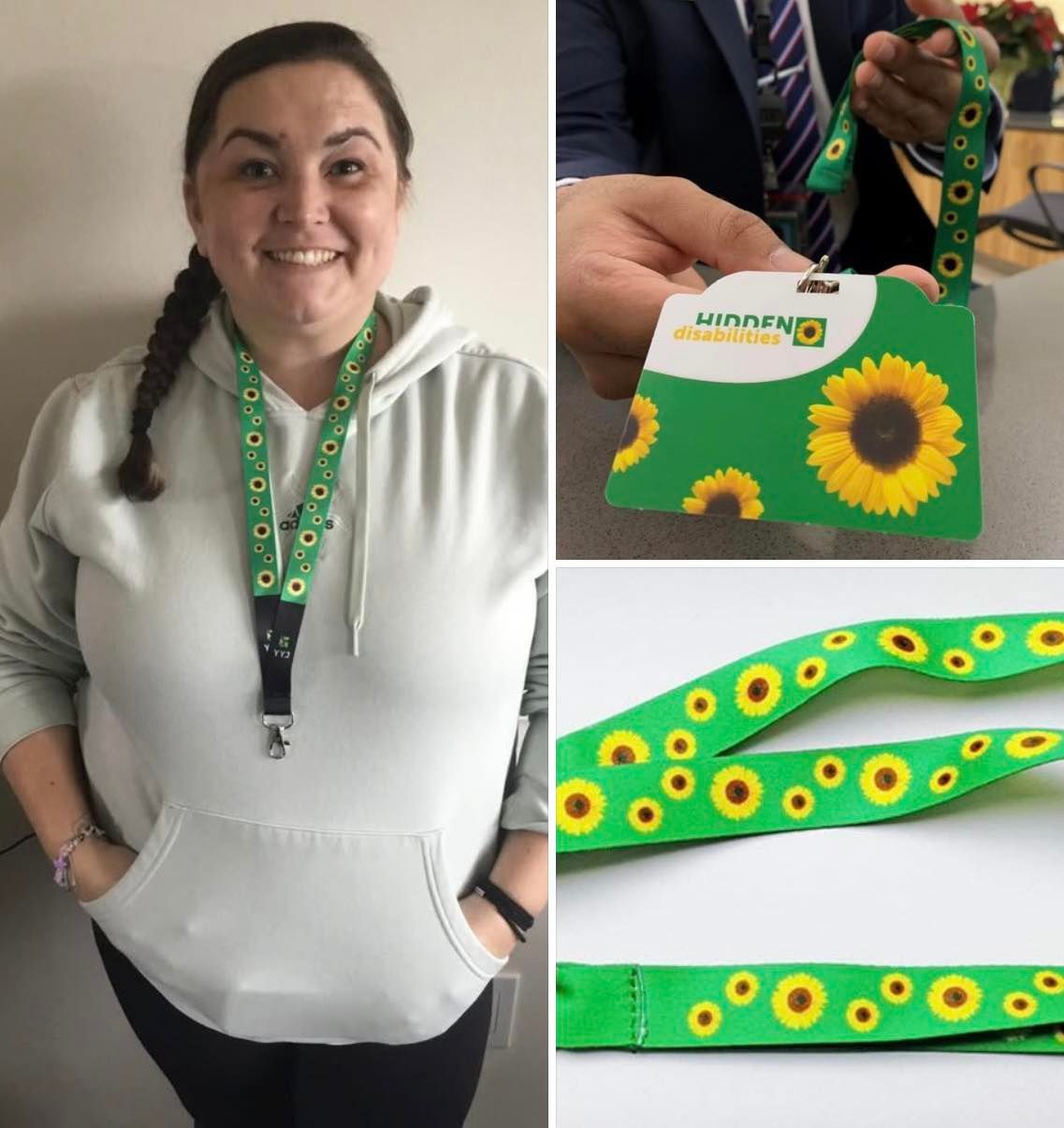
Hidden Disabilities Sunflower: For People Living With Hidden Disabilities

April 21, 2026
Feel Confident Navigating & Travelling Around The City
April 21, 2026
Discovering How ADHD Shaped My Experiences
April 21, 2026
What if creating an inclusive workplace was easier than you thought?
April 21, 2026
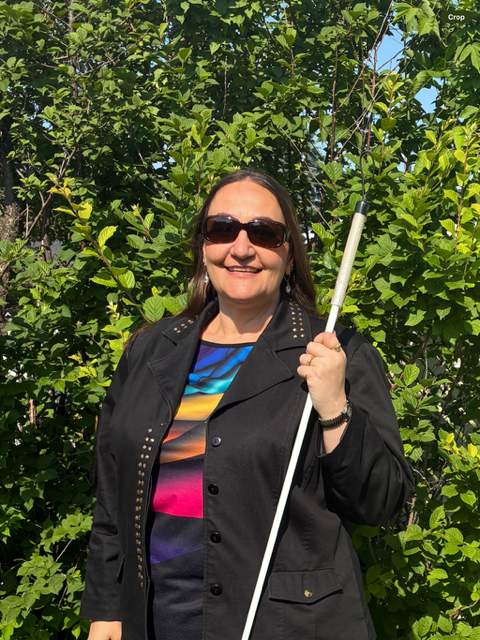
In life, three barriers often prevent people with disabilities from fully participating in various activities: Social stigmas, attitudes, and misconceptions about our abilities. The built environment and the lack of accessibility.  Ourselves, which includes fear of the unknown, fear of failure, and lack of confidence. While we may not always be able to change the first two, the third barrier—our mindset—is one that only we can break through. In 1992, I was diagnosed as legally blind due to Progressive Cone Dystrophy. But it wasn’t until 2015 that I fully embraced my blindness. Rather than saying, "I’m losing my sight," I reframed it as, "I’m gaining my blindness." This shift in mindset allowed me to step out of my comfort zone and explore non-visual techniques to complete tasks I once relied on sight for. Patience, time, and yes, frustration, were all part of the process. But now, I’m living my best life—doing even more than I did with vision. When friends asked me to go axe 🪓 and dagger 🗡️ throwing, I immediately said yes. I love new experiences, and I wasn’t going to let my blindness be a barrier. We spent an hour learning how to hold, aim, and throw. I chose to wear a blindfold because the small amount of vision I have left can be more distracting than helpful. My focus wasn’t on whether I got a bullseye but on having fun, being included, and trying something new. After all, we never know if we’ll like something until we try. For this experience, the target was about 15 feet away, with chain fences on either side. I could stretch my arms out and feel both fences, giving me a sense of space. There was also a tactile line under my feet, ensuring I knew where to stand. To throw the axe, I gripped the bottom of the handle with my dominant hand (right) and placed my left hand over my right. I raised the axe over my head, letting it rest between my shoulder blades, squared my body to the target, relaxed my shoulders, and threw. I hit the target most times and even landed two bullseyes! It was exhilarating. My husband and friends joined in by donning blindfolds and throwing axes, too. Even the staff took part in the experience, and we all had a blast. The dagger 🗡️ proved more challenging. To throw it, I had to position the tip of the blade pointing toward me, over my shoulder, next to my ear—a nerve-wracking task without sight. I threw it four times and managed to hit the board once (the handle stuck, not the blade, but close enough for me to laugh about it). While I enjoyed trying it, I much preferred the axe and will definitely be doing that again. This experience reinforced the idea that people with disabilities may not always meet others where they are—but that doesn’t stop others from meeting us where we are. It’s not about the perfect experience; it’s about trying and enjoying the process. So, step out of your comfort zone. You may discover something new and, most importantly, have fun.
April 21, 2026
Are they really accessible for everyone to use? Here's a simple tip to make your business more accessible: