April 21, 2026

Neurological Disabilities: Not All Disabilities Can Be Seen

Living life differently, with Diverse Abilities.

Author

Diverse Abilities Programs Inc.

Share

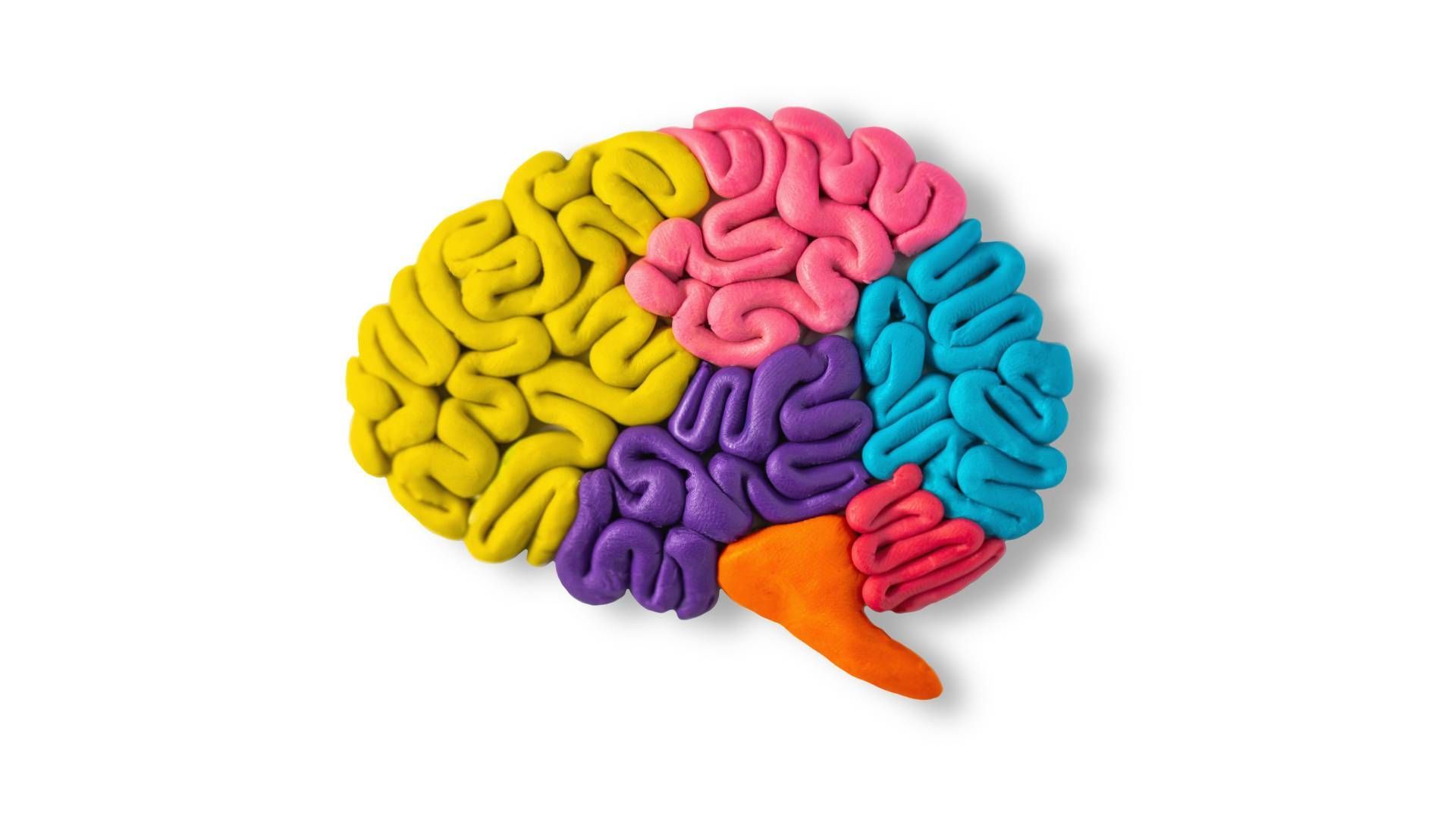
You may be familiar with the most well-known of the many neurological disabilities:

Epilepsy

Abnormal electrical activity in the brain causes seizures.


Parkinson’s Disease

A brain disorder that causes unintended or uncontrollable movements, such as shaking, stiffness, and difficulty with balance and coordination.


Tourette's Syndrome

It causes uncontrollable, sudden twitches, movements, sounds, or vocalizations that people do repeatedly (tics).


What are some common symptoms that some people experience?


Symptoms can range from mild to profound. No two people’s experiences are going to be the same. Most people living with a neurological disability have periods of time where they appear not to have a disability at all. That’s why a neurological disability is often non-apparent, and you may never know unless the person informs you of their diagnosis, or their uncontrollable symptoms present in the moment that you are present.


Some disabilities, such as Tourette's Syndrome or forms of Autism, may cause people to say or do things that others find annoying or offensive, such as a sudden outburst of profanity or yelling, including racial slurs. These outbursts are a manifestation of neurological disease, and the person has no control over the content, volume, or duration of the outbursts. These shouted words and phrases are ones that they would not voluntarily use. Don’t take anything personal that is said at such times; recognize it for the involuntary neurological response that it is. If the symptoms are ignored, they will subside sooner than if a commotion is created.


Epilepsy may cause seizures, where some people appear dazed but will not necessarily fall, and others will lose consciousness and muscle control, and will experience spasms. Ask people to move away and create a calm space for the individual. Do not put anything in their mouth. Do not attempt to restrain their limbs or body. If possible, roll them onto their side (recovery position) and remove items from around the person that could get knocked over and fall onto the person or someone else, or that the person may injure themselves on during the seizure.


People living with Parkinson’s experience many different symptoms, some physical that you can see, and some that you cannot see. Every person’s experience will be different. If you are curious about a person, please ask the individual you are curious about to gain accurate information about that person.


Please remember that individuals living with a neurological disability, or any other disability, are not doing anything deliberately to upset anyone. Their behaviours and level of functionality are not within their control.


In trying to control your own fears and misconceptions, you’ll behave in a way that will extend courtesy and maximize dignity for everyone, especially if the involuntary actions and behaviours cause you to feel uncomfortable.


If other people are uncomfortable in the presence of the person, you can ask the uncomfortable person if they would like to move to a different area. Only under very rare circumstances should you ask the individual with a disability to move or leave the premises.


Always ask the person how you can be a support to them and what you can do to help.

April 21, 2026
Chairs are more than just somewhere to sit.
April 21, 2026
What I wish I had known when I was first diagnosed.
April 21, 2026
All we want is to be seen as a person, not just our disability. 
April 21, 2026
Something really beautiful happened recently, and I’ve been sitting with it .
April 21, 2026
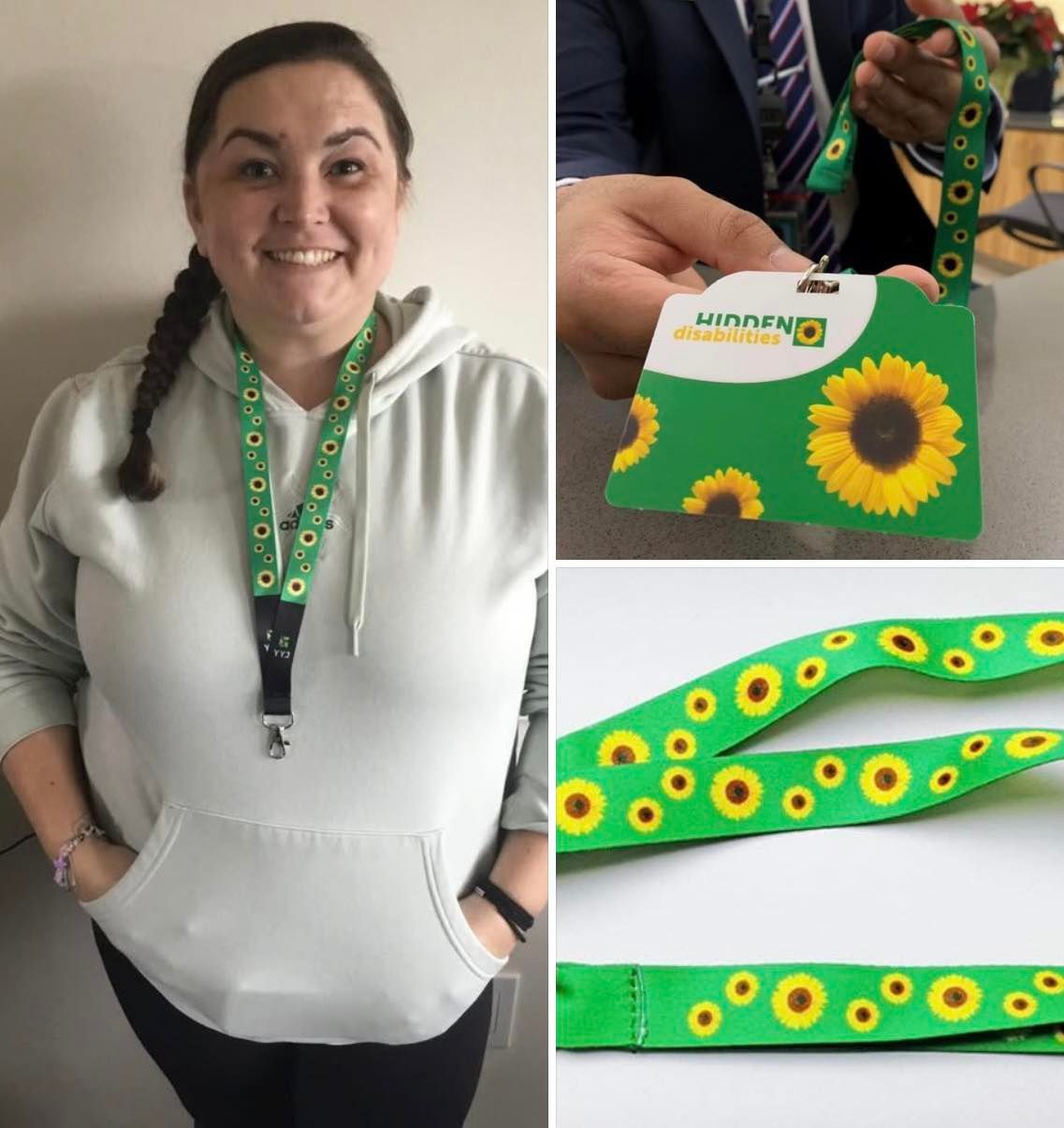
Hidden Disabilities Sunflower: For People Living With Hidden Disabilities
April 21, 2026
Feel Confident Navigating & Travelling Around The City
April 21, 2026
Discovering How ADHD Shaped My Experiences
April 21, 2026
What if creating an inclusive workplace was easier than you thought?
April 21, 2026
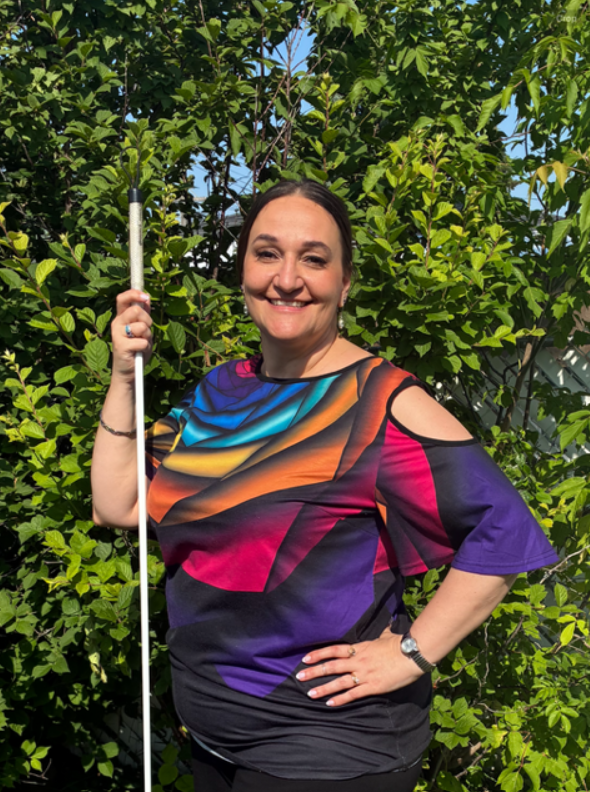
In life, three barriers often prevent people with disabilities from fully participating in various activities: Social stigmas, attitudes, and misconceptions about our abilities. The built environment and the lack of accessibility.  Ourselves, which includes fear of the unknown, fear of failure, and lack of confidence. While we may not always be able to change the first two, the third barrier—our mindset—is one that only we can break through. In 1992, I was diagnosed as legally blind due to Progressive Cone Dystrophy. But it wasn’t until 2015 that I fully embraced my blindness. Rather than saying, "I’m losing my sight," I reframed it as, "I’m gaining my blindness." This shift in mindset allowed me to step out of my comfort zone and explore non-visual techniques to complete tasks I once relied on sight for. Patience, time, and yes, frustration, were all part of the process. But now, I’m living my best life—doing even more than I did with vision. When friends asked me to go axe 🪓 and dagger 🗡️ throwing, I immediately said yes. I love new experiences, and I wasn’t going to let my blindness be a barrier. We spent an hour learning how to hold, aim, and throw. I chose to wear a blindfold because the small amount of vision I have left can be more distracting than helpful. My focus wasn’t on whether I got a bullseye but on having fun, being included, and trying something new. After all, we never know if we’ll like something until we try. For this experience, the target was about 15 feet away, with chain fences on either side. I could stretch my arms out and feel both fences, giving me a sense of space. There was also a tactile line under my feet, ensuring I knew where to stand. To throw the axe, I gripped the bottom of the handle with my dominant hand (right) and placed my left hand over my right. I raised the axe over my head, letting it rest between my shoulder blades, squared my body to the target, relaxed my shoulders, and threw. I hit the target most times and even landed two bullseyes! It was exhilarating. My husband and friends joined in by donning blindfolds and throwing axes, too. Even the staff took part in the experience, and we all had a blast. The dagger 🗡️ proved more challenging. To throw it, I had to position the tip of the blade pointing toward me, over my shoulder, next to my ear—a nerve-wracking task without sight. I threw it four times and managed to hit the board once (the handle stuck, not the blade, but close enough for me to laugh about it). While I enjoyed trying it, I much preferred the axe and will definitely be doing that again. This experience reinforced the idea that people with disabilities may not always meet others where they are—but that doesn’t stop others from meeting us where we are. It’s not about the perfect experience; it’s about trying and enjoying the process. So, step out of your comfort zone. You may discover something new and, most importantly, have fun.
April 21, 2026
Are they really accessible for everyone to use? Here's a simple tip to make your business more accessible: