Imagine a world designed for everyone. A world where mobility isn't determined by physical ability. This vision is at the heart of the concept of universal design. “Universal design is design that’s usable by all people, to the greatest extent possible, without the need for adaptation or specialized design.” (Ron Mace, an architect who had polio.) While we've made significant progress in making spaces more inclusive, there are still countless barriers encountered every day by people using mobility devices such as wheelchairs, scooters, or walkers. These barriers often emerge when universal design principles aren't applied in the construction of buildings, public spaces, and transportation systems. To truly appreciate the magnitude of these challenges, let's delve into some of the most common obstacles that we encounter:
Inaccessible Entrances
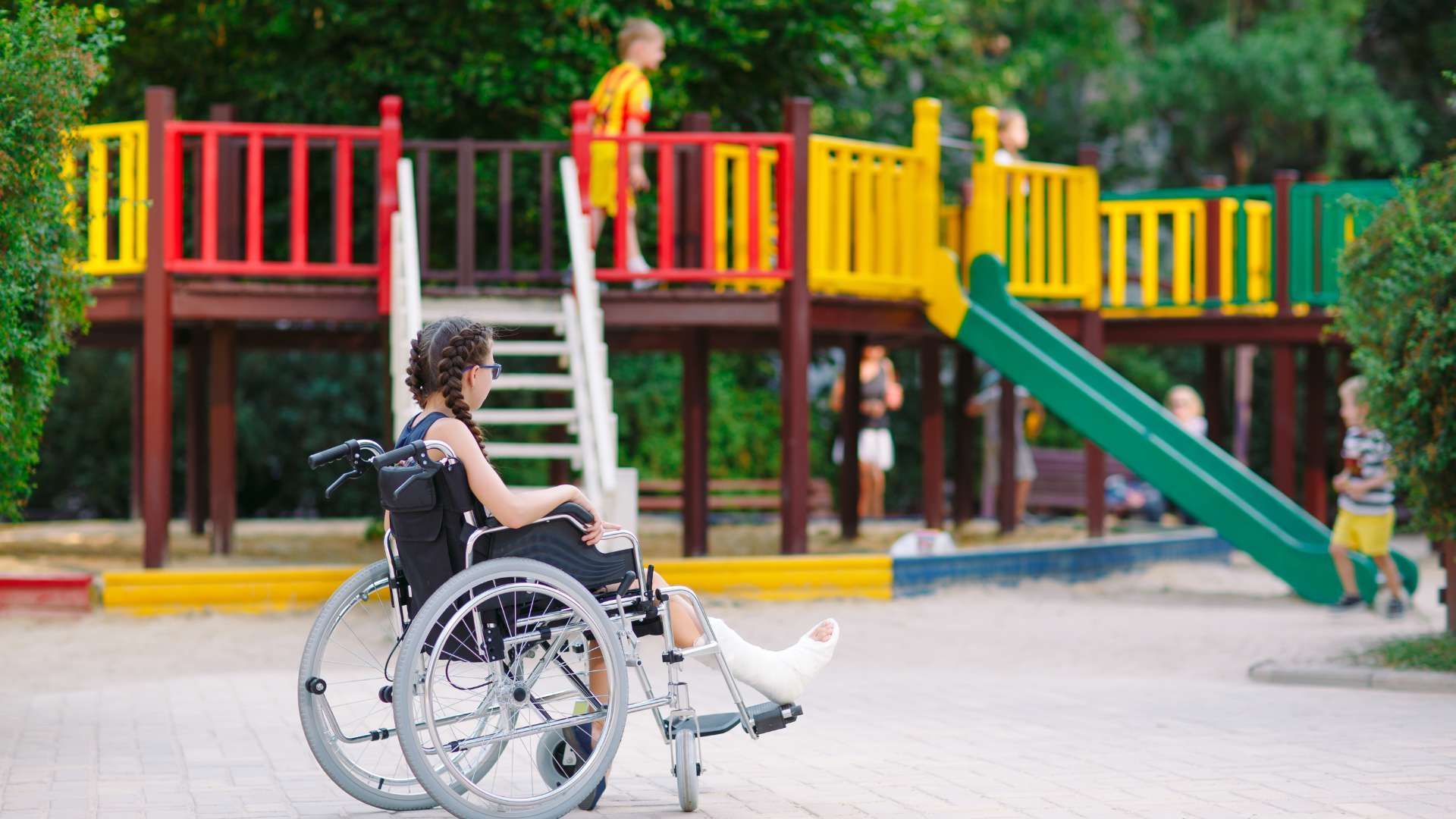
The first challenge begins at the very entrance of a building. Many structures lack ramps or elevator access, making it nearly impossible for us to enter. This lack of accessible entry points restricts our ability to participate fully in society, be it attending a business meeting, going to a doctor's appointment, or simply enjoying a meal at a restaurant. This issue isn't just about physical access; it's also about dignity and independence. Imagine having to wait for someone to help you enter a building every time you want to go somewhere. It's a daily struggle faced by many of us who use wheels.
Narrow Doorways and Tight Spaces
Once inside a building, the challenges continue. Narrow doorways and cramped spaces can make it difficult to move around, even for those of us with motorized wheelchairs. This means some areas, like restrooms or certain sections of a store, remain off-limits and limit our overall experience.
These constraints aren't just inconvenient; they can also be degrading. We are people who cannot walk. We use a wheelchair or other mobility devices to get from point A to point B. We deserve the same comfort and accessibility as anyone else, but these physical barriers often create a stark divide.
Lack of Adequate Restrooms
Public restrooms are a common challenge. Some wheelchair-accessible restrooms lack necessary features like grab bars or sufficient space for maneuvering. This can turn a simple trip to the restroom into a daunting task.
Properly designed restrooms are not only a matter of convenience, but also of safety. Inaccessible facilities can lead to accidents and discomfort for us. When you have to go, you have to go. Imagine if you had to leave a meeting, or leave the merchandise in your cart, or even the restaurant you’re eating at and travel to five different businesses in the area to locate a restroom you could use. Would you feel inconvenienced or frustrated?
Inadequate Transportation
Transportation is another significant hurdle. Public transportation systems, such as buses, subways, and trains, often lack accessibility features like ramps or designated spaces for wheelchairs. This can leave those of us who use mobility devices feeling isolated and dependent on others for transportation.
The freedom to move around independently is a fundamental right, and the absence of accessible public transportation infringes upon this right. Though transportation is getting better, there still is room for improvement.
The Importance of Universal Design
The above challenges are just the tip of the iceberg, highlighting the barriers that wheelchair and other mobility device users encounter when universal design principles are not applied. Universal design goes beyond accessibility; it promotes independence, inclusivity, and respect for everyone. We never know what tomorrow brings. Anyone at any time may need the aid of wheels to maneuver through life. One could be in an accident, diagnosed with an illness or medical condition, leaving one unable to walk or to walk well. Abilities also change with the natural process of aging.
Implementing universal design principles in the built environment is essential. These principles aim to create spaces and structures that accommodate all individuals, regardless of their abilities. By doing so, we not only remove physical barriers but also foster a more inclusive and compassionate society, one we can all age into gracefully.
The Way Forward
As a society, it is our responsibility to acknowledge these challenges and work towards a world where everyone can move freely and independently. Here are a few steps we can take:
- Advocate for universal design in architectural and infrastructure projects.
- Raise awareness about the daily challenges faced by those of us who use wheelchairs, walkers, scooters, and other mobility devices.
- Encourage businesses and institutions to improve their accessibility and recognize that accessibility is more than a ramp, parking spot, or restroom.
- Support organizations and initiatives that promote inclusivity and accessibility.
By taking these steps, we can gradually break down the barriers that mobility device users encounter in the built environment and create a world where mobility is truly accessible to all.
In addition to the physical challenges those of us who use mobility devices encounter, there are also societal barriers. Stares, misconceptions, and sometimes even well-intentioned but misguided assistance can make us feel uncomfortable or out of place. Building a more inclusive society means not only addressing physical barriers but also raising awareness and fostering a culture of understanding and respect. Exactly what Diverse Abilities Programs and Training is doing!