April 21, 2026

What is a disability?

Living life differently, with Diverse Abilities.

Author

Diverse Abilities Programs Inc.

Share

Disabilities can be apparent or not apparent, episodic or chronic, temporary or permanent.

Being mindful of non-apparent disabilities (the ones that you cannot see) is important. It is easy to subconsciously judge a person’s abilities and behaviours without understanding or knowing a person’s story.


There are many different types of disabilities, such as physical, visual, hearing, neurological, intellectual, developmental, learning disabilities, speech, mental health, chemical, facial or body differences, medical illness, and others.


No two people, even if they have the exact same diagnosis, will have the same experience, abilities, support, or finances to acquire the medical equipment needed to maximize independence.


Every person who has a disability is a person first; their body or brain just works differently from most.

A person’s disability is often not the biggest barrier. Most of the time, the barriers are attitudinal (social stigma) and the built environment.


Treat everyone as you want to be treated.


If you are curious about a person, please ask the person directly that you want to know about. It is best to gain accurate information about a person before judging or assuming.


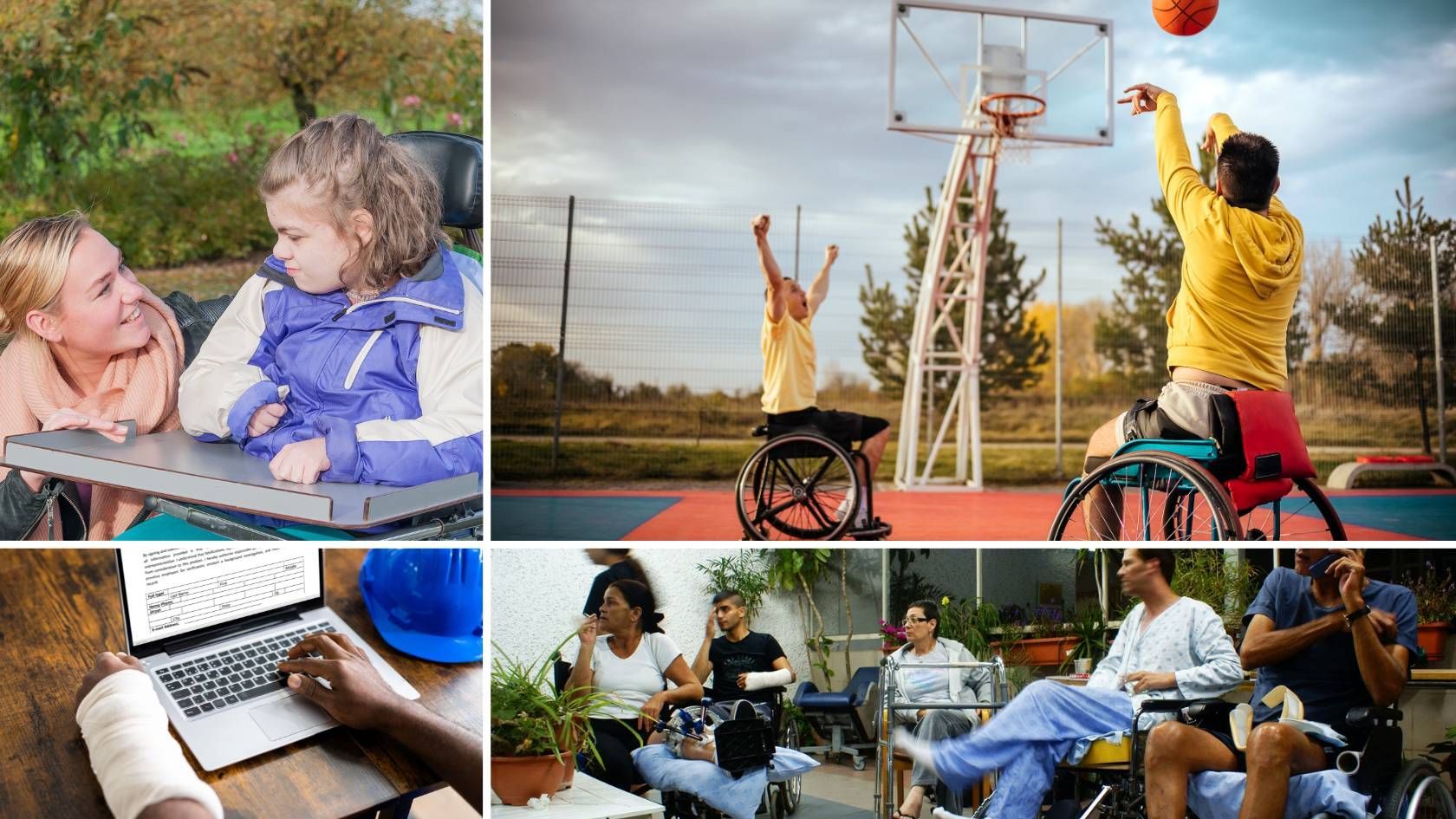
4 image grid: top right is people playing wheelchair basketball, top left is woman talking to a child in a wheelchair, bottom left is a laptop with the user's arms showing, one arm is broken, bottom right is a hospital setting with multiple people with various injuries and disabilities.

What does disability look like?


A disability is something that prevents someone from participating fully in life. Anyone at any time could develop a disability.


You can be born with a disability, or acquire one later in life through accident, illness, stress, genetics, the natural process of aging, or for no known reason.


Disabilities can impact a person’s mobility, mental processing, any or all of one’s senses, neurological processes, and more.

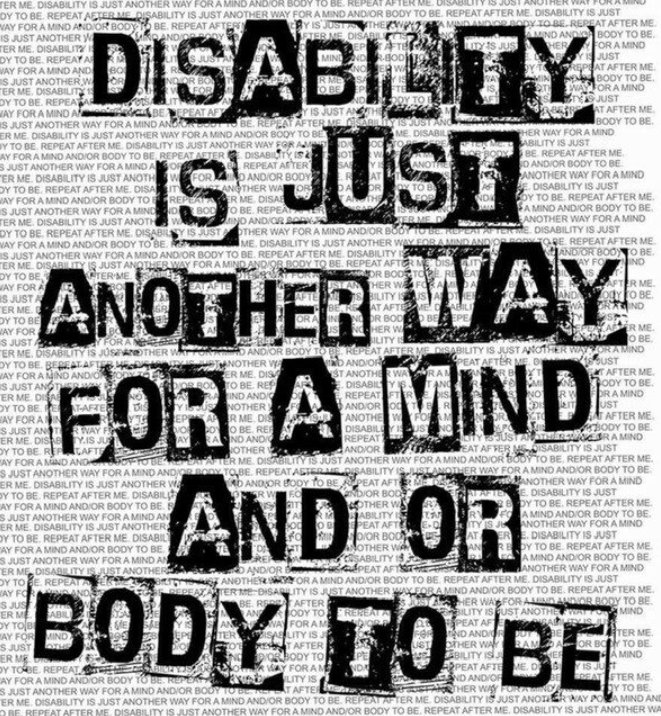
Written graphic reads

October 15, 2026
After becoming blind, Vanessa had to discover what motherhood would look like in a life that had completely changed. Through challenges, laughter, and meaningful moments with her children, she learned that being Mom isn’t about seeing—it’s about showing up.
October 7, 2026
After six months in the hospital, Vanessa was determined to return home to her children. She shares the challenges of adjusting to blindness, rebuilding independence, and learning how to be Mom in a new way.
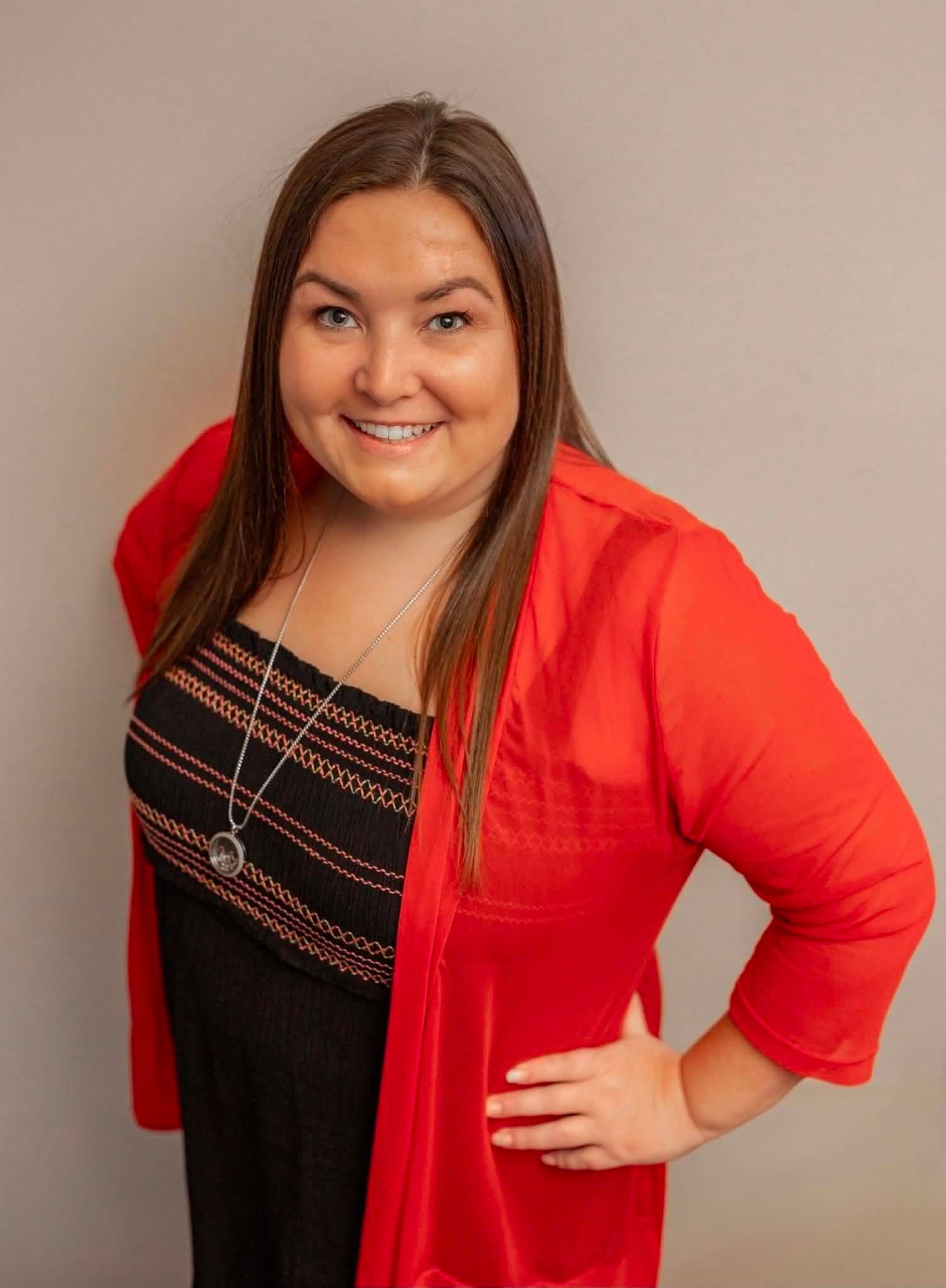
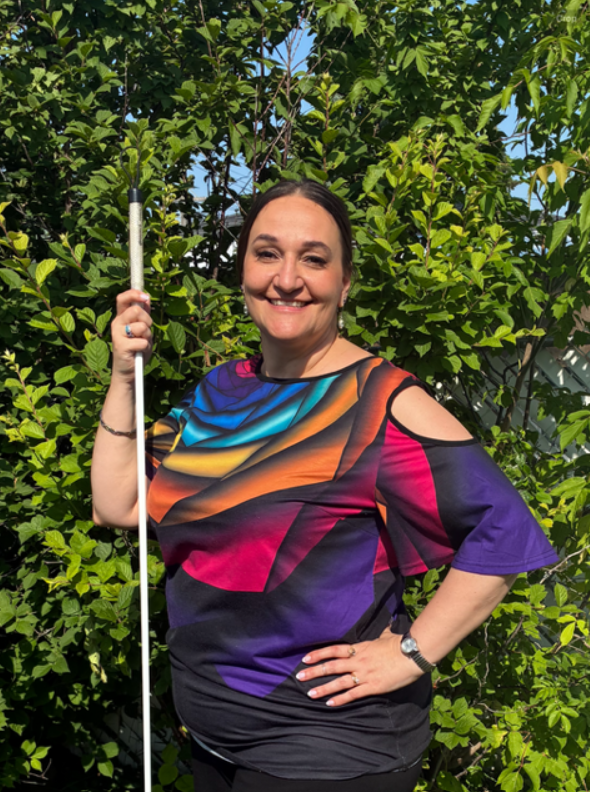
Vanessa smiling with her hands on her hips.
September 28, 2026
Vanessa shares how suddenly becoming blind changed not only her life, but her entire family. Through grief, love, adaptation, and small victories, they learned to navigate disability and find a new path forward together.
April 21, 2026
Chairs are more than just somewhere to sit.
April 21, 2026
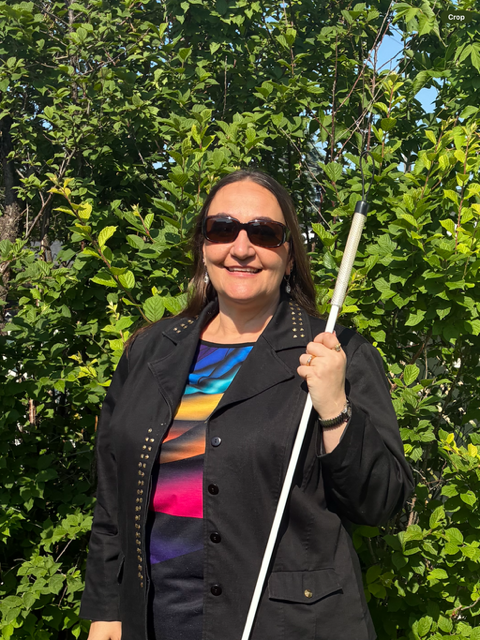
What I wish I had known when I was first diagnosed.
April 21, 2026
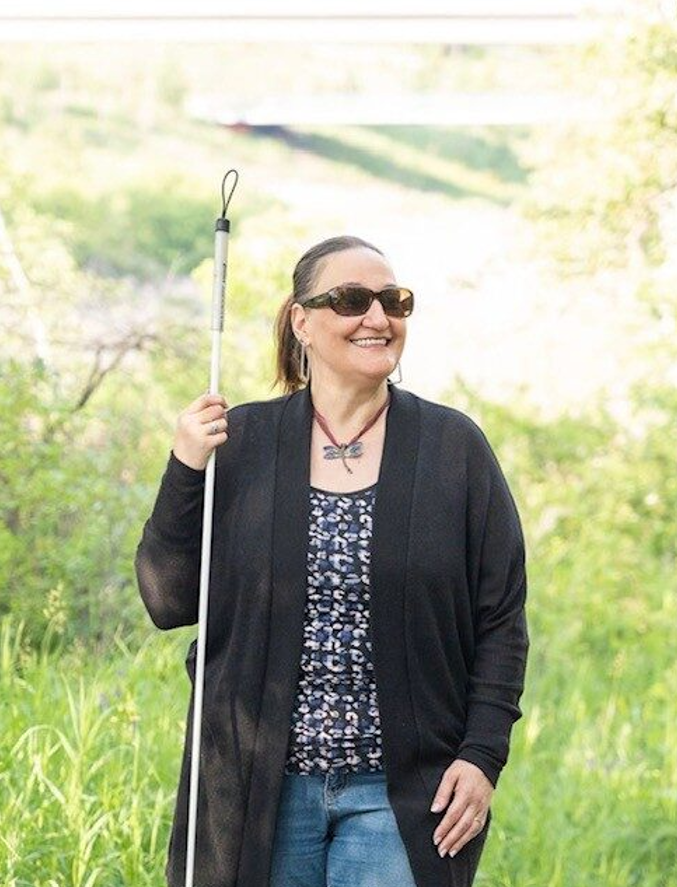
All we want is to be seen as a person, not just our disability. 
April 21, 2026
Something really beautiful happened recently, and I’ve been sitting with it .
April 21, 2026
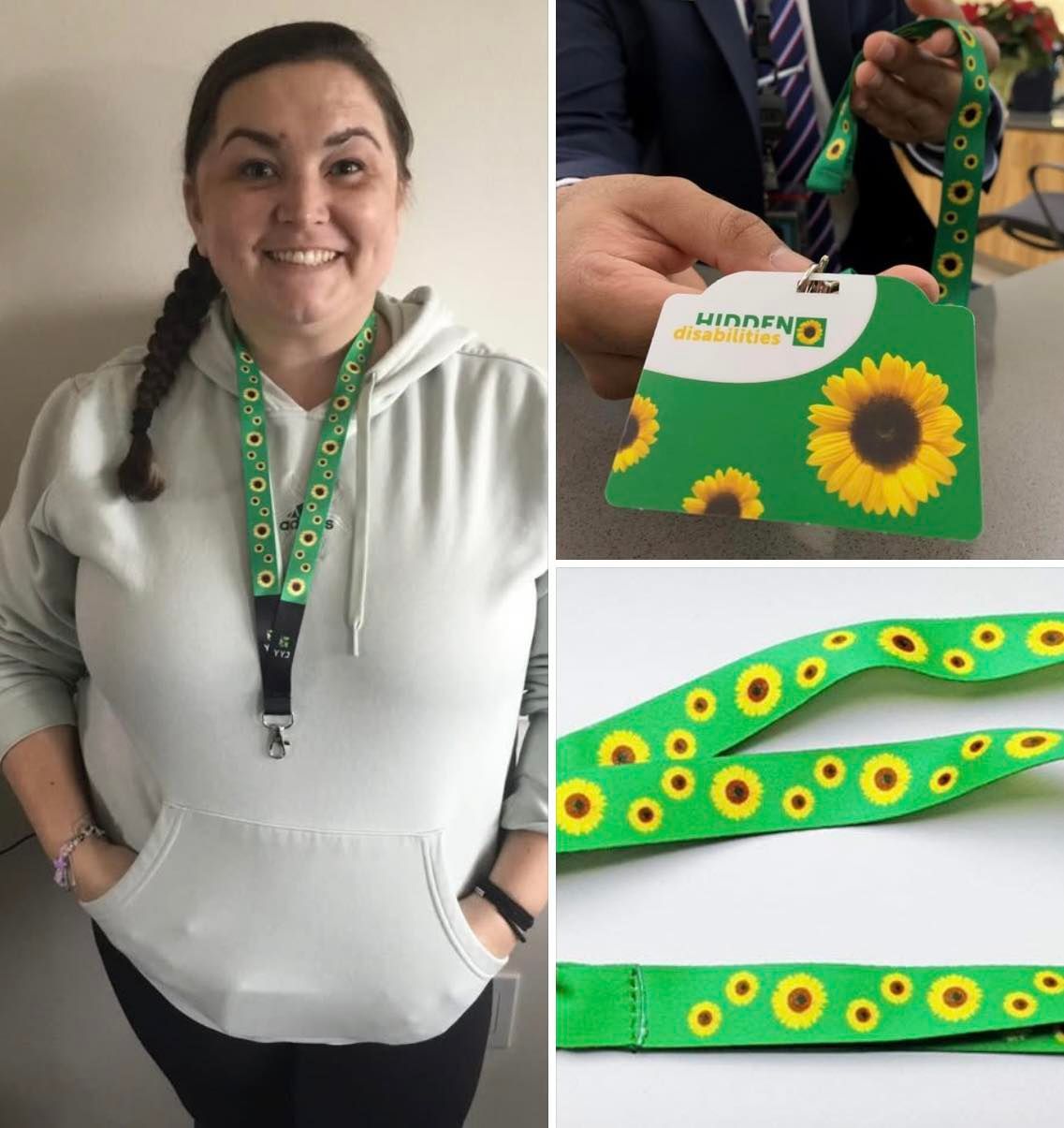
Hidden Disabilities Sunflower: For People Living With Hidden Disabilities

April 21, 2026
Feel Confident Navigating & Travelling Around The City
April 21, 2026
Discovering How ADHD Shaped My Experiences