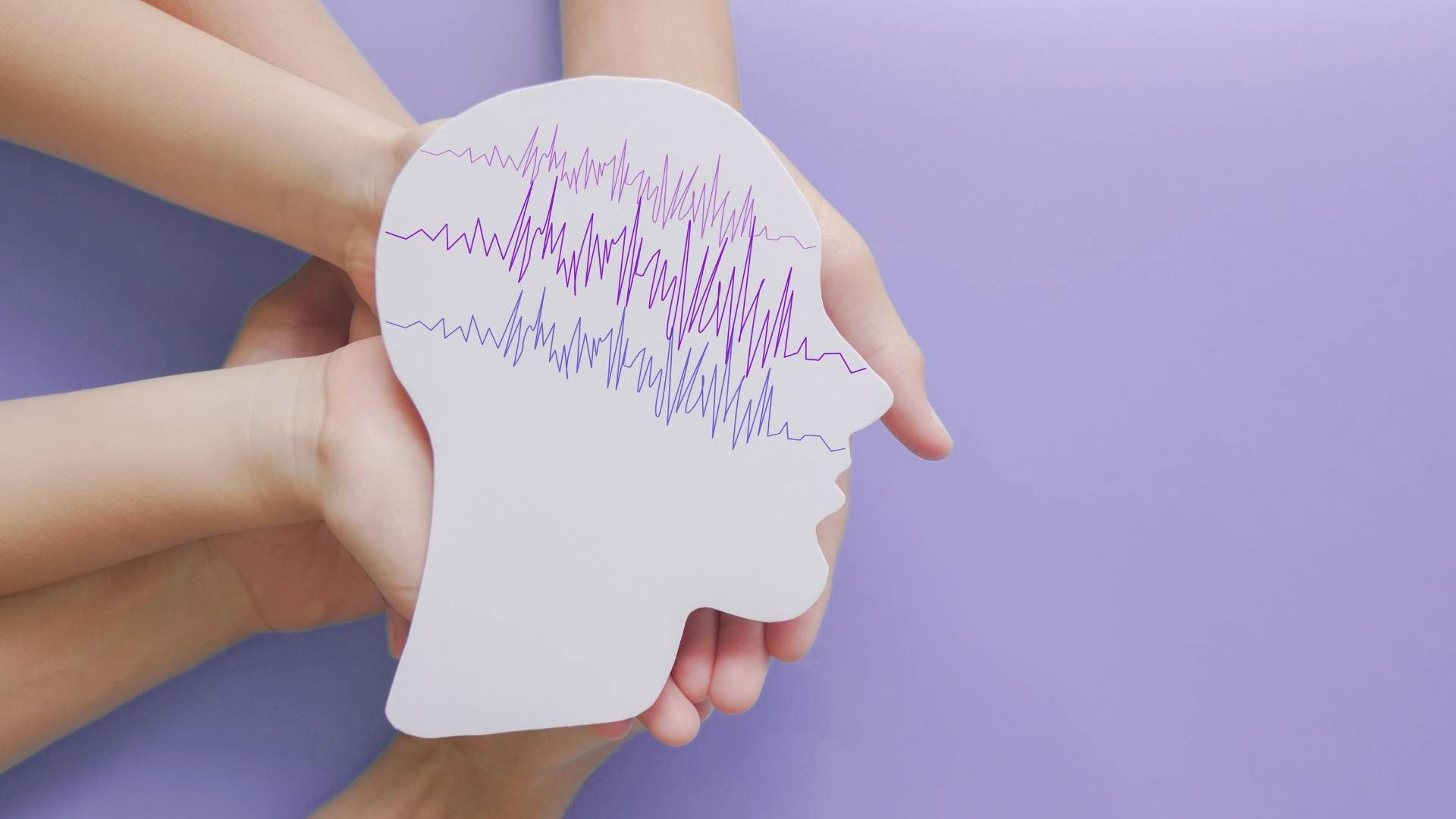
Epilepsy is a disorder in which nerve cell activity in the brain is disturbed, causing seizures. Epilepsy may occur as a result of a genetic disorder or an acquired brain injury, such as trauma or stroke. During a seizure, a person experiences abnormal behaviour, symptoms, and sensations, sometimes including loss of consciousness. There are a few symptoms between seizures. Epilepsy is usually treated by medications and in some cases by surgery, devices, or dietary changes[1].
Major Types of Seizures[2]
Seizures are classified into two groups. Generalized seizures affect both sides of the brain.
Absence seizures, sometimes called petit mal seizures, can cause rapid blinking or a few seconds of staring into space.
Tonic-clonic seizures, also called grand mal seizures, can make a person:
- Cry out.
- Lose consciousness.
- Fall to the ground.
- Have muscle jerks or spasms.
Focal seizures are located in just one area of the brain. These seizures are also called partial seizures.
Simple focal seizures affect a small part of the brain. These seizures can cause twitching or a change in sensation, such as a strange taste or smell.
Complex focal seizures can make a person with epilepsy confused or dazed. The person will be unable to respond to questions or directions for up to a few minutes.
Secondary generalized seizures begin in one part of the brain, but then spread to both sides of the brain. In other words, the person first has a focal seizure, followed by a generalized seizure.
My Journey With Epilepsy
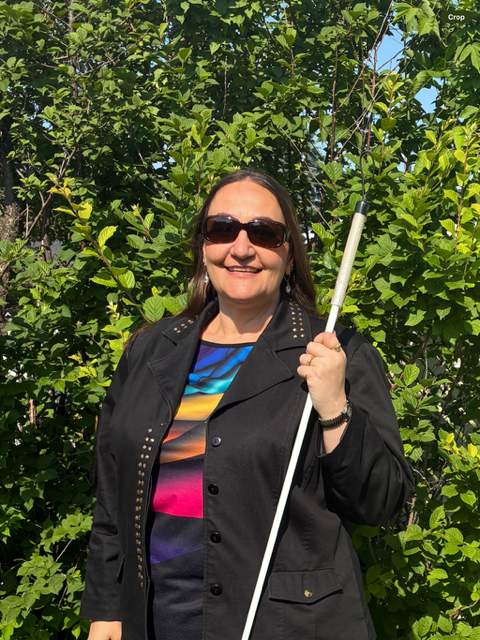
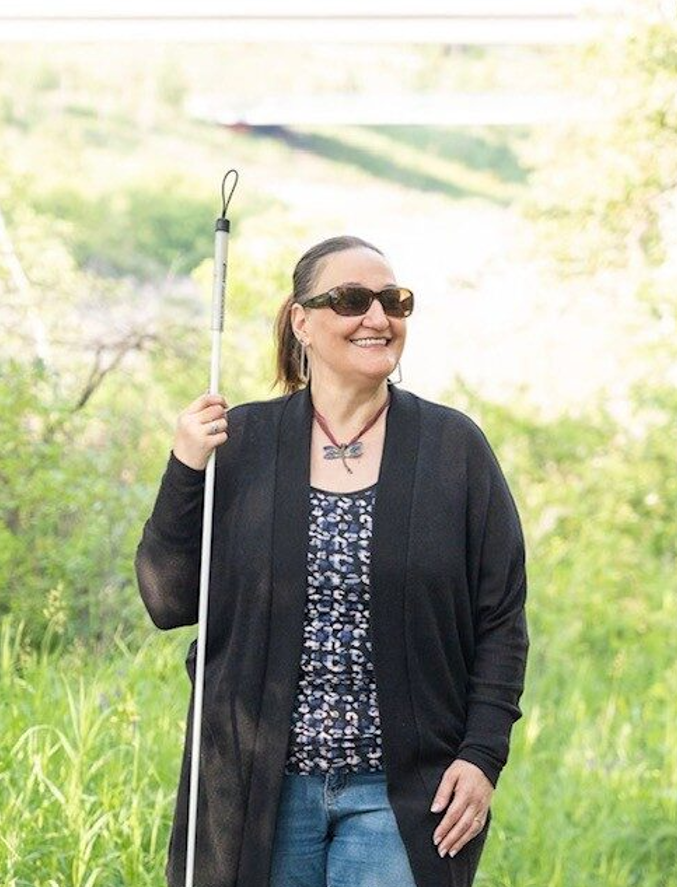
Hi, Gina Martin here. I want to share with you my lived experience with epilepsy. When I was 9 years old, I was diagnosed after having a couple of Grand mal seizures[3]. It took years to find the right medication and the right dosage that works for me. Seems all the meds I tried came with side effects that I found worse than the diagnosis.
Currently, on average, I have seizure activity 2-4 times a month and notice it mostly around ovulation and cycle times when my hormones change. My non – grand mal seizure activity experience is: my left arm becomes paralyzed. I cannot move my left arm, hand, or fingers. This usually lasts about 1-2 minutes. I am conscious and aware of what’s happening during it. I can talk, but the ability to concentrate or focus is difficult or not possible at that moment. Once I’ve recovered, I go on as I did just prior to having it. I am not affected afterwards at all.
For me, Gran mal seizures have decreased as I have aged, and I have only experienced three in the past 12 years.
People ask what they should do if I have a Gran mal seizure. I always tell people, for me, this is how you can help:
- Call an ambulance
- Do not stick anything in my mouth
- Roll me on my side if possible (so I do not choke on my tongue or vomit if I get sick). This is called the recovery position[4].
- Move items out of the way that I could knock over or injure myself or others during the seizure.
- Ask people to stay back. When I come to after a Grand mal seizure, I do not understand right away what happened or even where I am at times. This is known as a postictal state[5].
- If I am injured, choking, or stop breathing. Keep me in recovery position and immediately call Emergency Services (9-1-1).
- Stay calm. A seizure should only last 30 seconds to 2 minutes.
- I often want a drink of water. Do not give me anything to eat, even if I ask. (In case I have another seizure back-to-back, I could choke).
My experience at the onset of a Grand mal seizure
I can recall that my blood feels like it’s boiling hot throughout my whole body. My brain feels like it is shaking at intense speeds in my skull, and I see a bright white light. This is known as a seizure aura[6]. Often, I feel tired and discombobulated for a couple of hours (postictal state) when I regain consciousness. Life then continues on for me like normal.
Every person who has epilepsy experiences it differently. If you are curious about someone and their experience or how to best help them, please ask the person directly so you can gain accurate information about that person, their needs, and their experience.
References & Supporting Resources
[1] MayoClinic.org
[2] CDC.gov
[3]
Source:
MayoClinic.org
Grand mal seizures:
A type of seizure that involves a loss of consciousness and violent muscle contractions. Also called a tonic-clonic seizure.
A grand mal seizure is usually caused by epilepsy, but may have other triggers, such as very low blood sugar, high fever, or a stroke.
The seizure has two stages. Loss of consciousness occurs first and lasts about 10 to 20 seconds, followed by muscle convulsions that usually last for less than two minutes.
Many people will have only one such seizure in their lifetime. Others may need daily anti-seizure medications to prevent recurrence.
[4]
Source:
EpilepsySociety.org.uk
Gently pull their knee towards you so that they roll over onto their side, facing you. Their body weight should help them to roll over quite easily. Move the bent leg that is nearest to you in front of their body, so that it is resting on the floor. This position will help to balance them.
[5]
Source:
www.ncbi.nlm.nih.gov
The postictal state is a period that begins when a seizure subsides and ends when the patient returns to baseline. It typically lasts between 5 and 30 minutes and is characterized by disorienting symptoms such as confusion, drowsiness, hypertension, headache, nausea, etc.
[6]
Source:
EpilepsySociety.org.uk
An 'aura' is the term that some people use to describe the warning they feel before they have a tonic-clonic seizure. An epilepsy 'aura' is in fact a focal aware seizure. Focal aware seizures (FAS) are sometimes called 'warnings' or 'auras' because, for some people, a FAS develops into another type of seizure.