April 21, 2026

Challenges with Technology

Living life differently, with Diverse Abilities.

Author

Diverse Abilities Programs Inc.

Share

Challenges with Changing Technology as a Blind Person: Touchscreens Take Away Independence

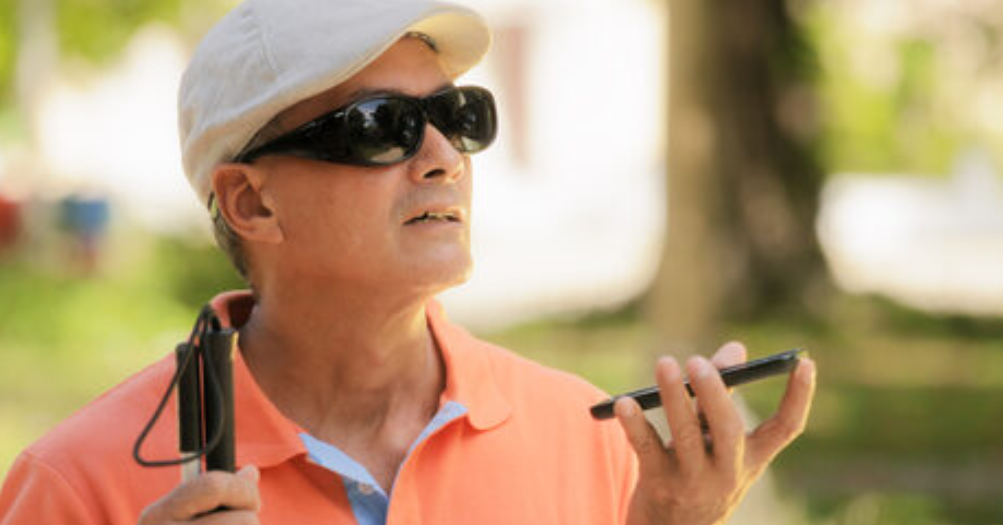
As a woman who is almost blind, technology has helped our community of people who are blind or partially sighted gain a huge amount of independence back. Smartphones and other inventions have allowed many of us to participate and enjoy life more fully. Voice over, Siri and magnification (all built into the device), along with many helpful apps. These phones and apps help us to read and respond to text, navigate our environment, and accomplish many tasks independently, where prior to this technology, we relied more on others to assist us.


I know since I got my first smartphone in 2015, it has helped me with my confidence in doing things and going places on my own. We have evolved as a community due to the awesome technology available to those of us who can afford it. Not all of us can, and I hope that changes in the future, as this is one of the greatest assistive tools available to help people living with vision loss and many other disabilities.


But the current advances in technology are not always helpful or positive.


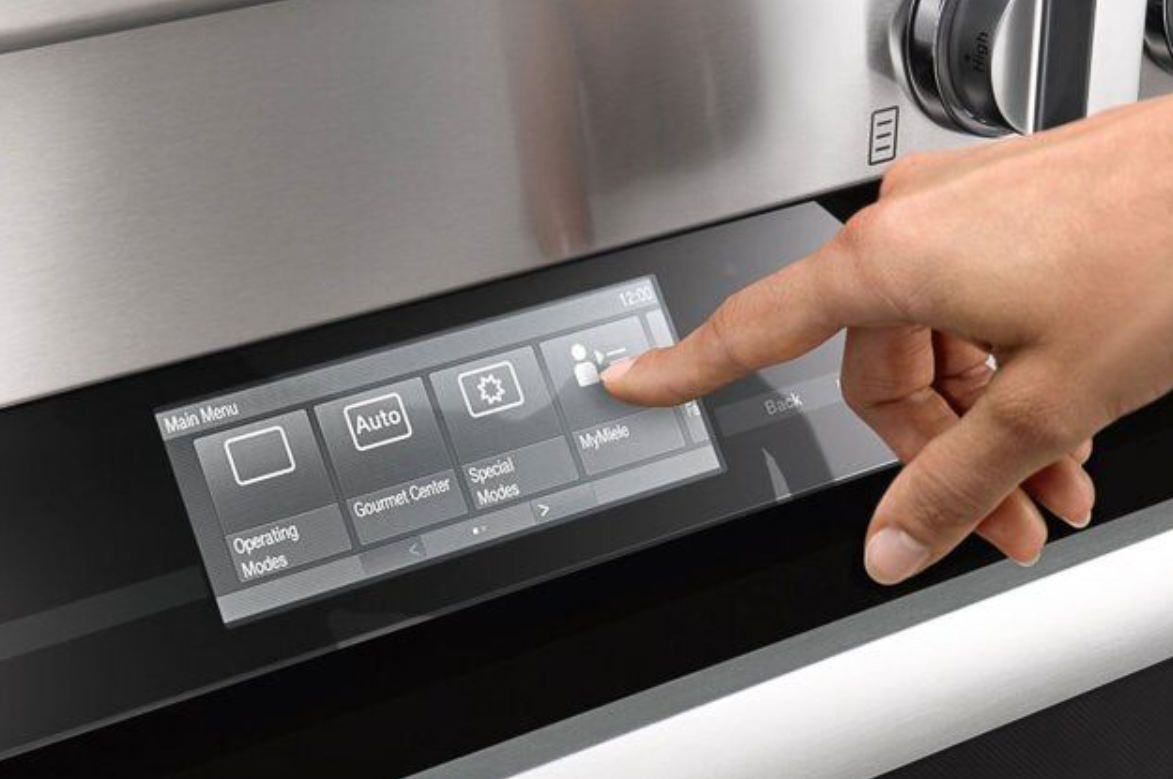
As we keep advancing with technology, a barrier those of us with vision loss are experiencing is that more consumer devices are being made with touch screens. The old tried and true knobs and buttons that we people with disabilities need to navigate the product are becoming extinct.  These touch screens are a major step backwards in our independence. I am finding it difficult to find kitchen appliances that I can use. Stoves, microwaves, washers, dryers, and so much more are all being made button and knob-less. I know that the blind community is not something on the radar of product developers’ minds, but it should be.


This is not only something that affects persons with partial sight or blindness, but also the aging. We are all aging, and due to the natural aging process, people’s eyesight weakens, and they need things to be accessible and easy to operate for them to keep their independence. It is hard enough to lose your vision, but when everything around you becomes unusable due to a touch screen, it can be overwhelming. As technology and the advancement of flat display screens continue to be our future, it would be beneficial if it were built with a voice option so everyone can use and buy the product.

I am sure there are many of us experiencing setbacks at times due to new technology. I am grateful for all the awesome advancements with technology, but for some people with diverse abilities, simple is best. Let’s keep options open so everyone can participate as fully in life as possible.


Cheers Gina

April 21, 2026
Chairs are more than just somewhere to sit.
April 21, 2026
What I wish I had known when I was first diagnosed.
April 21, 2026
All we want is to be seen as a person, not just our disability. 
April 21, 2026
Something really beautiful happened recently, and I’ve been sitting with it .
April 21, 2026
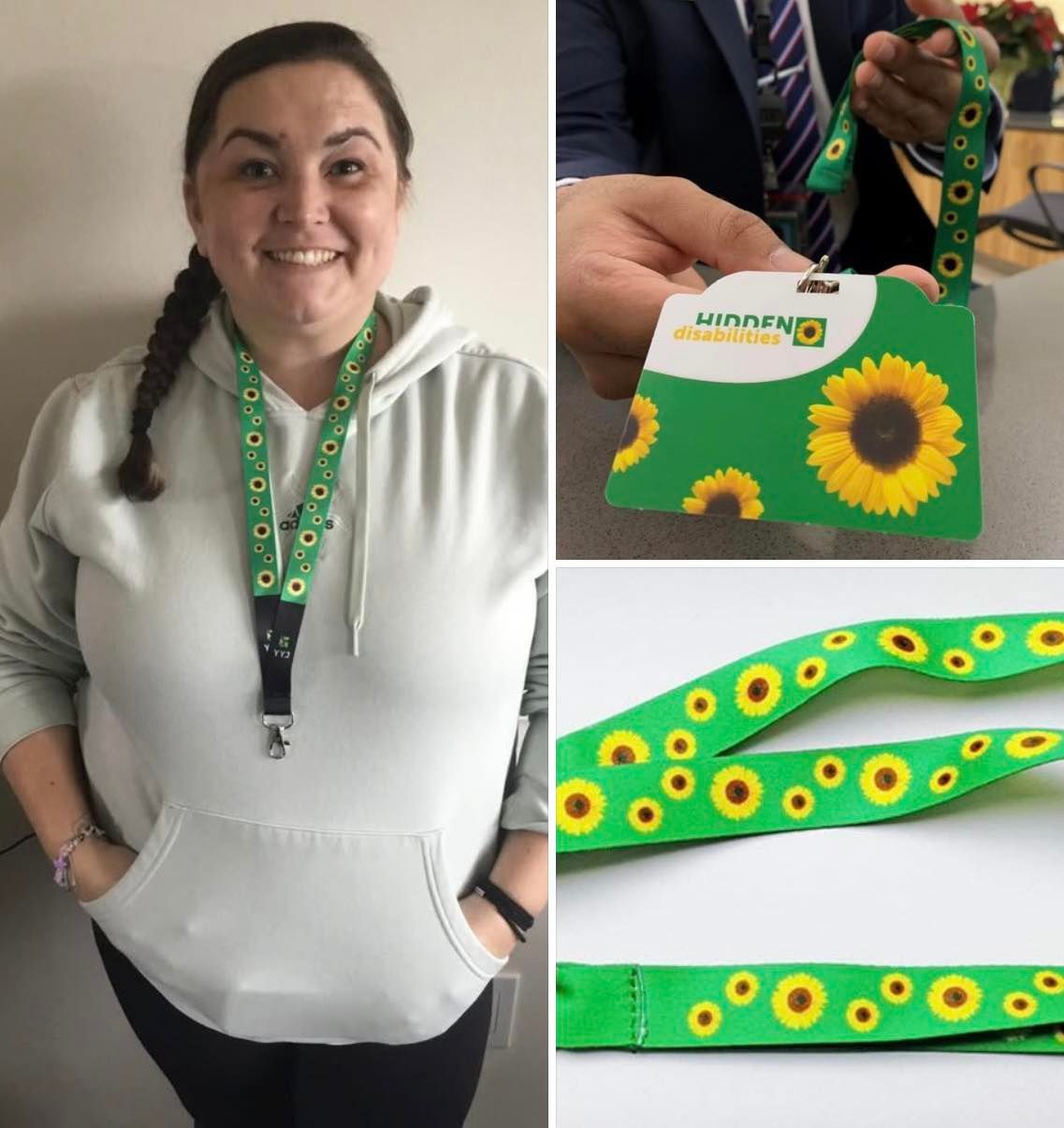
Hidden Disabilities Sunflower: For People Living With Hidden Disabilities
April 21, 2026
Feel Confident Navigating & Travelling Around The City
April 21, 2026
Discovering How ADHD Shaped My Experiences
April 21, 2026
What if creating an inclusive workplace was easier than you thought?
April 21, 2026
In life, three barriers often prevent people with disabilities from fully participating in various activities: Social stigmas, attitudes, and misconceptions about our abilities. The built environment and the lack of accessibility.  Ourselves, which includes fear of the unknown, fear of failure, and lack of confidence. While we may not always be able to change the first two, the third barrier—our mindset—is one that only we can break through. In 1992, I was diagnosed as legally blind due to Progressive Cone Dystrophy. But it wasn’t until 2015 that I fully embraced my blindness. Rather than saying, "I’m losing my sight," I reframed it as, "I’m gaining my blindness." This shift in mindset allowed me to step out of my comfort zone and explore non-visual techniques to complete tasks I once relied on sight for. Patience, time, and yes, frustration, were all part of the process. But now, I’m living my best life—doing even more than I did with vision. When friends asked me to go axe 🪓 and dagger 🗡️ throwing, I immediately said yes. I love new experiences, and I wasn’t going to let my blindness be a barrier. We spent an hour learning how to hold, aim, and throw. I chose to wear a blindfold because the small amount of vision I have left can be more distracting than helpful. My focus wasn’t on whether I got a bullseye but on having fun, being included, and trying something new. After all, we never know if we’ll like something until we try. For this experience, the target was about 15 feet away, with chain fences on either side. I could stretch my arms out and feel both fences, giving me a sense of space. There was also a tactile line under my feet, ensuring I knew where to stand. To throw the axe, I gripped the bottom of the handle with my dominant hand (right) and placed my left hand over my right. I raised the axe over my head, letting it rest between my shoulder blades, squared my body to the target, relaxed my shoulders, and threw. I hit the target most times and even landed two bullseyes! It was exhilarating. My husband and friends joined in by donning blindfolds and throwing axes, too. Even the staff took part in the experience, and we all had a blast. The dagger 🗡️ proved more challenging. To throw it, I had to position the tip of the blade pointing toward me, over my shoulder, next to my ear—a nerve-wracking task without sight. I threw it four times and managed to hit the board once (the handle stuck, not the blade, but close enough for me to laugh about it). While I enjoyed trying it, I much preferred the axe and will definitely be doing that again. This experience reinforced the idea that people with disabilities may not always meet others where they are—but that doesn’t stop others from meeting us where we are. It’s not about the perfect experience; it’s about trying and enjoying the process. So, step out of your comfort zone. You may discover something new and, most importantly, have fun.
April 21, 2026
Are they really accessible for everyone to use? Here's a simple tip to make your business more accessible: